These minerals help prevent hearing loss as you age
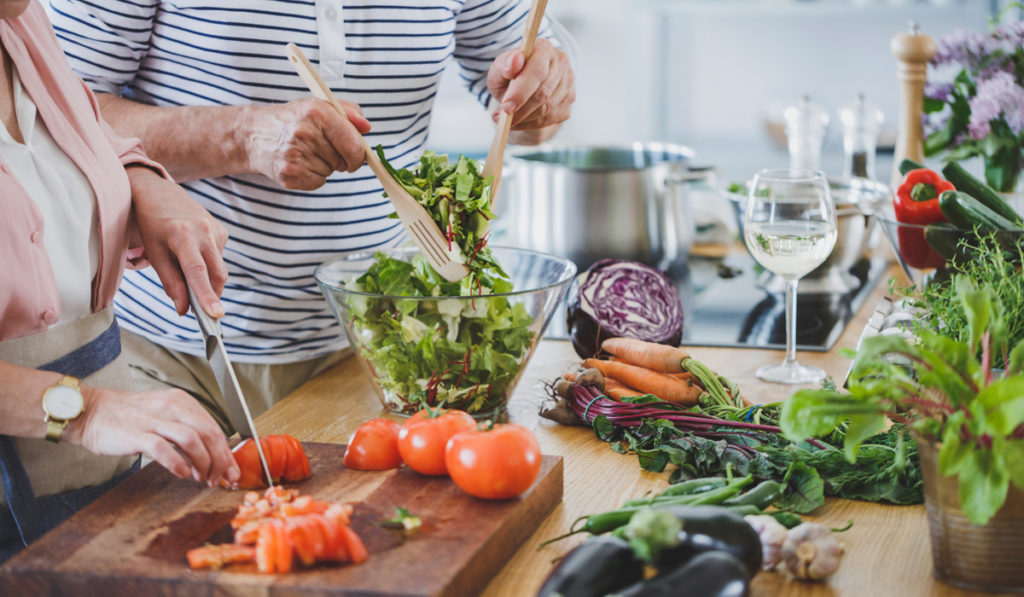
A balanced diet is good for your health. Studies show that a deficiency in certain minerals and nutrients can also lead to hearing loss. Here’s how to prevent it:
A healthy diet plays a crucial role in our overall well-being. As various studies have shown, a balanced diet also helps protect against hearing loss as we age. For example, an observational studypublished in the *Journal of Nutrition* found that certain metals, such as cadmium and lead, can cause severe hearing loss. A deficiency in vitamin A and zinc—which is more common in poorer countries—can also cause hearing loss. Increasing consumption of fish, unsaturated fatty acids, folic acid, beta-carotene, and vitamins A, E, and C can have a protective effect.
Preventing Hearing Loss Through Proper Nutrition
Researchers have now investigated whether a specific diet in older age can help prevent hearing loss. Their study focused on three different approaches:
- Alternate Mediterranean Diet (AMED): This diet is based on olive oil, grains, legumes, fruits, vegetables, nuts, fish, and moderate red wine consumption.
- Dietary Approaches to Stop Hypertension (DASH): This diet is specifically designed for people with high blood pressure. It involves eating plenty of fruits and vegetables as well as low-fat dairy products. Salt intake is significantly restricted.
- Alternative Healthy Eating Index (AHEI): This approach incorporates elements from both AMED and DASH.
The results are impressive: People who follow the AMED or DASH diet were shown to have one-third fewer hearing problems, while the AHEI reduced the risk by as much as 21 percent.
Top 4 Minerals for Healthy Ears: Potassium, Folic Acid, Magnesium, and Zinc
The secret to the success of these diets lies in the minerals found in various foods.
Potassium regulates the amount of fluid in the blood and body tissues. This can be important for your ears, because fluid in the inner ear—the part that converts sound into electrical impulses—relies on a rich supply of potassium.
- The following potassium-rich foods should therefore be included in your diet: potatoes, spinach, lima beans, tomatoes, raisins, apricots, bananas, melons, oranges, yogurt, and milk.
Folic acid promotes new cell growth. Studies show that folic acid supplements can slow down hearing loss by promoting good blood circulation. This is an important factor in keeping the hair cells of the inner ear healthy and functioning properly.
- That’s why foods rich in folic acid—such as spinach, broccoli, and asparagus, as well as organ meats—are recommended.
Magnesium:According to a study, magnesium protects against noise-induced hearing loss because it counteracts the effects of free radicals produced by noise—acting almost like a protective barrier for the sensitive hair cells in the inner ear.
- Fruits and vegetables such as bananas, artichokes, potatoes, spinach, and broccoli are high in magnesium and help build this barrier.
Zinc: This element strengthens the immune system and is essential for cell growth and wound healing. It thus helps fend off germs that cause colds or bothersome ear infections. Some studies suggest that magnesium supports the treatment of tinnitus.
- Foods rich in zinc include beef, pork, and chicken, as well as cashews, almonds, peanuts, beans, peas, lentils, oysters, and dark chocolate.
To learn more about how you can improve your hearing through an optimized intake of essential nutrients, read the article “The Ear Eats Too.”



