Automatically translated (DeepL), may contain inaccuracies. The German version is authoritative. View original
SYNC
Everything about hearing aids
Brands, models and features
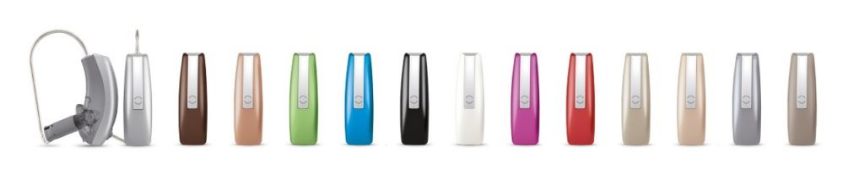
The range of hearing aids is extensive. With different form factors, designs and colors, they adapt perfectly to your needs and are not only functional but also aesthetically very appealing. However, finding the right hearing aid for your needs can be challenging. You can get the best choice for your hearing aid and all answers to your questions in a professional consultation with your local hearing care professional. Here is an initial overview.
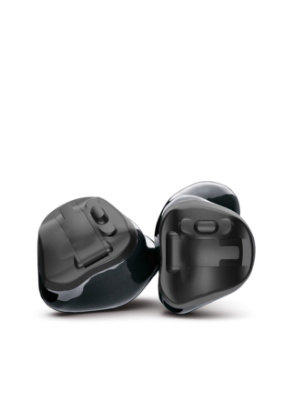
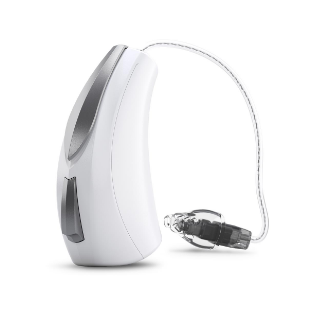
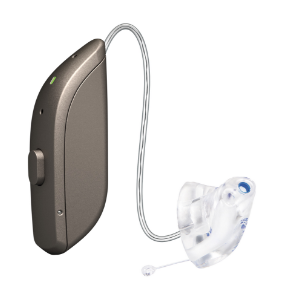
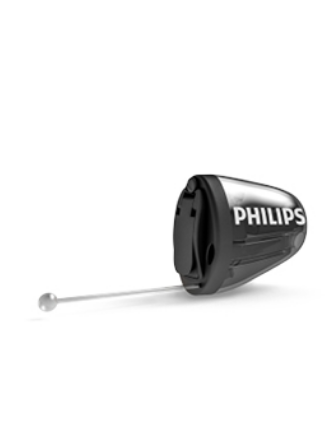
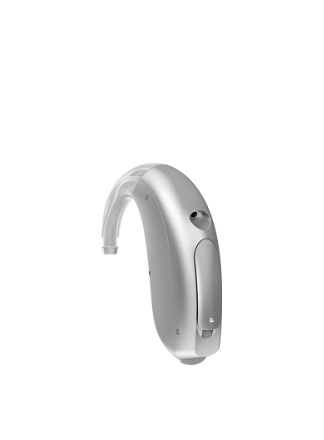
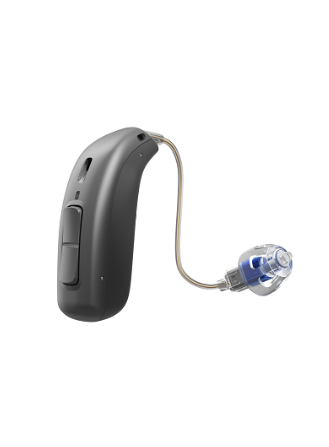


Latest hearing aids
Hearing aid brands
Everything about hearing aids at a glance
Modern hearing aids make everyday life easier for people with hearing loss, especially in communication with others and in acoustically demanding environments. Hearing loss can occur for various reasons and at different stages of life. If you notice a change in your hearing ability - for example in direct conversation, on the phone, or because the TV has to be turned up suspiciously loud - you should first see an ENT doctor. They perform a hearing test, carry out a thorough diagnosis and, if necessary, issue a prescription for hearing aids.
In addition to their optionally discreet appearance and fashionable design, hearing aids offer numerous extra benefits through their technical features that are not only aimed at people with hearing impairment. Hearing aid manufacturers are continuously expanding the functionality of hearing systems. Hearing aids today are almost invisible, unobtrusive and provide many additional functions.
Modern hearing systems can be connected to a smartphone via Bluetooth and controlled and configured via app. Bluetooth technologies enable direct transmission of phone calls, music and TV sound to your hearing aids. Wearers of Bluetooth hearing aids experience advancing digitalization and connectivity literally right in their ears. Streaming options are diverse: navigation instructions, translation apps and other voice-based services. Health data, such as heart rate, can also be measured with hearing aids worn at the ear. Step counters or fall detection can also be integrated into hearing aids.
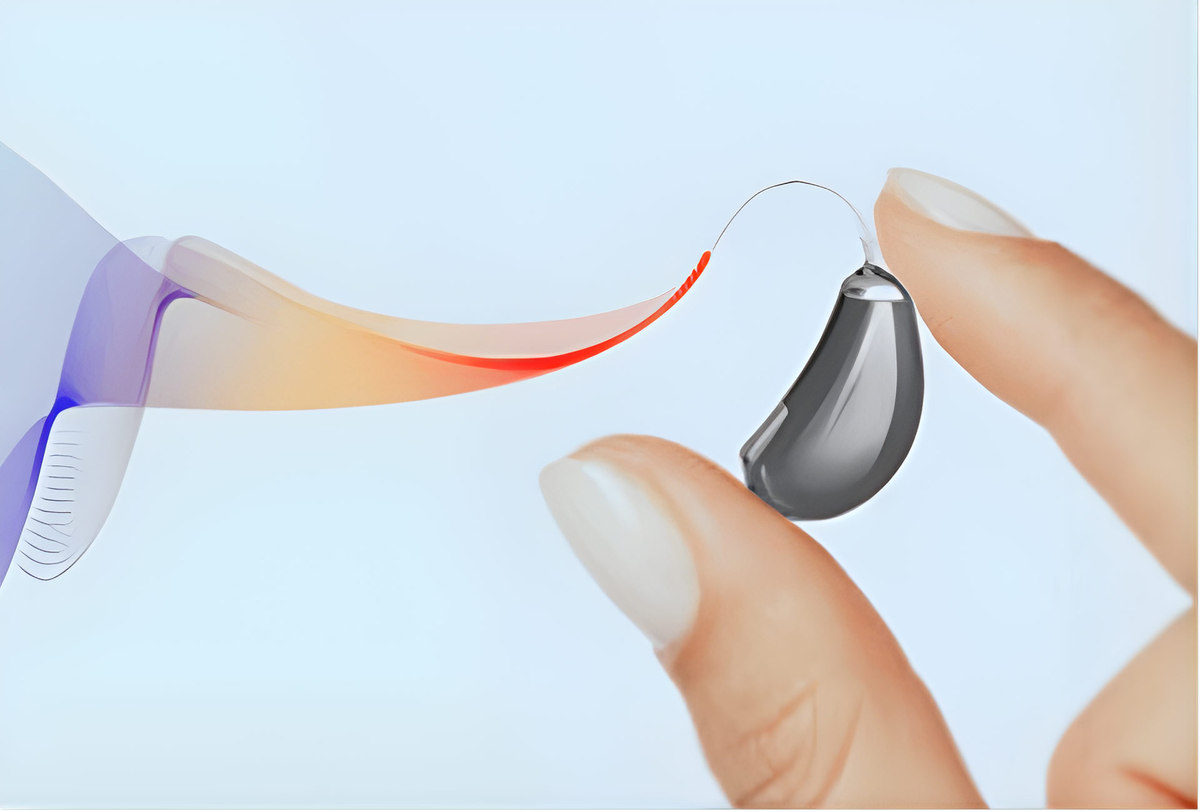
Modern hearing aids are robust high-tech everyday helpers at your ear
The functionality of modern hearing aids goes far beyond simply improving sound perception and understanding spoken language. Hearing systems are also valuable assistive devices that can make everyday professional and private life easier for their users.
The option of wireless connectivity between hearing aids and smartphones not only improves call quality. Hearing aids can also be conveniently controlled via smartphone, smartwatch or tablet. Streamed music can likewise be received directly in hearing aids via smartphone.
Filter settings that can be selected in an app help you focus on what matters and avoid background noise. This makes it possible to decide which background sounds should be filtered out. For example, while walking along a riverside promenade, wind noise can be reduced - or the clinking of dishes in a restaurant, so you can focus on conversation partners.
And what if the person you are talking to speaks another language? No problem, because simultaneous translation directly to the ear can also be achieved with wirelessly connected hearing aids. Hearing systems make it possible to not only hear a conversation partner optimally depending on place and situation - but also understand them, even if they speak another language.
Interface for smart homes and public spaces
Manufacturers of smart home applications are also helping hearing aids evolve into acoustic all-rounders. New technical possibilities are constantly emerging to make everyday life more comfortable. For some people, it is already the shared TV evening with a partner that becomes possible again through a direct connection between hearing aids and TV and brings back a piece of quality of life. Thanks to technical progress, much more is possible. There are washing machines that can send a signal to hearing aids once laundry is finished. Similar features are available for coffee machines and ovens, and even a doorbell can be transmitted directly to the ear through hearing aids.
Modern technology can ease daily life for people with hearing impairment not only in their own home, but also in public spaces: new Bluetooth technologies make it possible, for example, for music (in cinemas or concert halls) or important announcements (in public buildings, train stations or airports) to be received directly and simultaneously in the hearing systems of many listeners at the same location - digitally and in stereo.
Hearing aids for children
Especially for children, good hearing (or hearing that is supported early through hearing care) is one of the most important prerequisites for development. To prevent hearing loss in children, early detection and treatment of (early) childhood hearing loss is all the more important. If hearing aids are prescribed, modern pediatric hearing aids are available in various designs that make it easier for children to become familiar with their new devices quickly. Teen hearing aid wearers may appreciate the familiar earbud design of some hearing systems. Modern design and the option to use hearing aids via Bluetooth as headphones or hands-free devices are changing the image of hearing aids among younger people and increasing acceptance.
Hearing aids are medical products
Hearing aids are medical devices. They are subject to strict national and European legal regulations and requirements.
Besides the technical requirements of the devices themselves, market placement is also strictly regulated to ensure successful care. In Germany, hearing systems may only be fitted by a qualified professional hearing care specialist, an audiologist/hearing acoustician.
Maximum hearing success is achieved only when hearing aids are precisely adapted to individual hearing needs - both to the anatomical conditions of the ears and to the exact profile of hearing loss. Improper, non-professional adjustment of a hearing system can further worsen remaining hearing ability.
This does not mean you always have to go back to the local hearing care store after the first fitting. Some hearing aid settings can also be adjusted remotely by the hearing care professional (e.g. via video chat on smartphone and suitable app), for example while traveling or if you cannot (or do not want to) leave home.
Hearing aids with no co-payment from statutory health insurance
Did you know that statutory health insurers reimburse the costs of high-quality hearing aid care?
Many people wonder whether they must bear the full cost of their hearing aids themselves. In Germany, this is not the case. Insured persons in statutory health insurance can receive hearing aids without co-payment. To submit to your insurer, you only need a prescription from your ENT doctor. People diagnosed with hearing impairment can receive modern, high-performance hearing aids even without paying extra themselves. This ensures high-quality hearing aid provision. With additional payment, the hearing system can be further individualized.
Looking for a hearing care professional near you? Then the acoustician search from Ihr-Hörgerät.de can suggest numerous experts right in your area in just a few clicks.
Hearing jewelry - a full trend
Anyone looking for a discreet and stylish solution with mild to moderate hearing loss may find hearing jewelry to be the right option. In hearing jewelry, the technology module is integrated into the piece of jewelry - and can also be flexibly exchanged into another piece. With provider Eora, for example, up to six different hearing programs can be set, including one for people with chronic tinnitus. Find hearing care professionals who offer this special type of hearing jewelry.


