Feeling Good with Cochlear Implants and Yourself
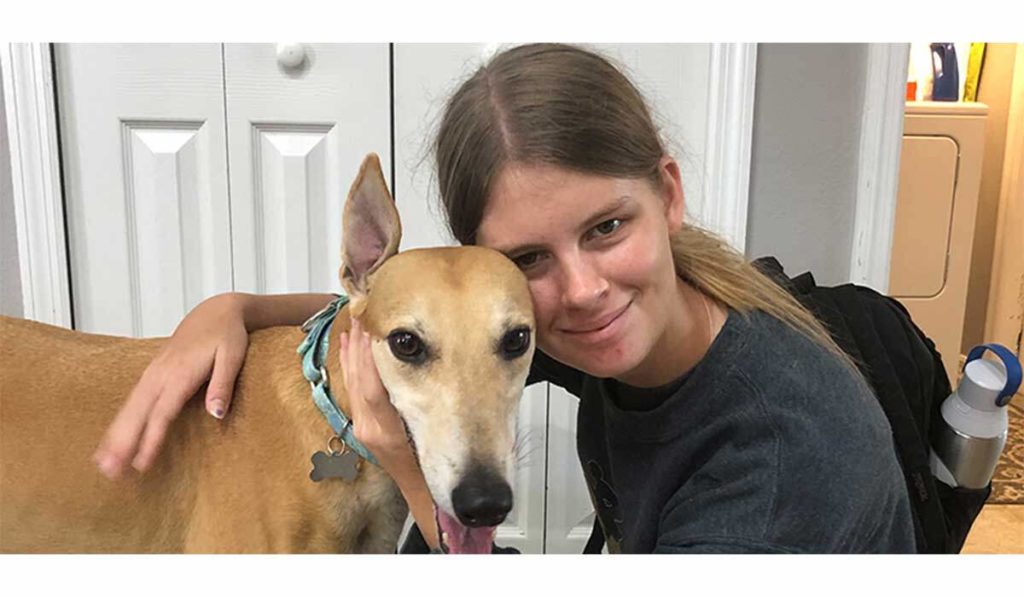
Thanks to cochlear implants (CI), more and more children and adults are able to hear. For Linnea, her CIs are simply a part of her everyday life. Here, she shares her secret to feeling truly comfortable with cochlear implants.
At a Glance
- Child Development and Cochlear Implants in Children
- Feeling Comfortable with Cochlear Implants and Yourself
- Information About Usher Syndrome
How does a child who receives a cochlear implant at just one and a half years old develop? Into a confident college student and an athletic young woman, as Linnea’s hearing story shows.
Thanks to tremendous technological advancements and progress in surgery, cochlear implants (CI) are helping more and more children and adults regain their hearing. Statistics on the prevalence of hearing loss in the German population suggest that more than one million people in Germany alone would experience a significant improvement in hearing with a cochlear implant. In reality, however, only about 40,000 people have received a CI, according to data from theL3S Research Center. Although the number of CI users is growing, some people remain uncertain or have fears about the surgical procedure. For children like Linnea, the decision to get a CI has had a very positive impact. She is pursuing her goals and offers tips on how to feel comfortable with cochlear implants.
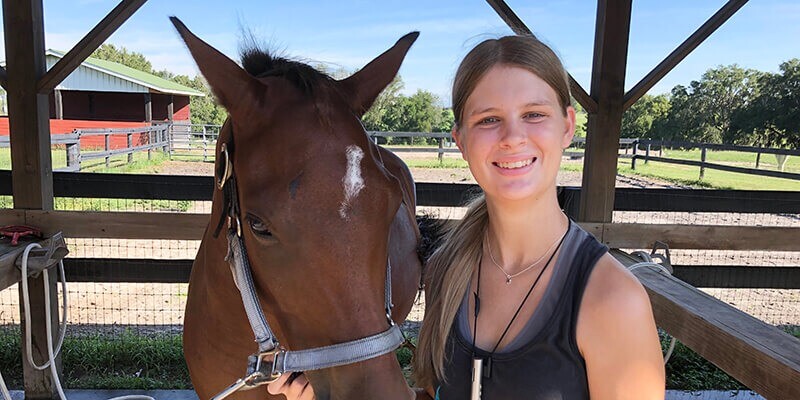
Linnea lives in the U.S., specifically in Tampa, Florida. She was born with severe hearing loss in both ears. The cause—Usher syndrome—wasn’t diagnosed until she was a teenager. At one and a half years old, she received her first cochlear implant, and her second when she was eleven. For about 20 years now, Linnea has felt comfortable with her cochlear implants and has been enjoying and living her life to the fullest. Her love of horseback riding, her passion for painting, and her studies are all an integral part of that.
Cochlear Implants and Mainstream Schools
Linnea attended preschool, then always attended mainstream schools, and finally went to college. “I think the best part was that I never felt different or like an outsider. Attending a mainstream school means interacting with a wide variety of classmates and teachers and having countless opportunities to try new things. My time in school taught me how to get along in a world with hearing peers and to develop all the skills I needed to do so. I think the most important thing I took away from that time is the ability to stand up for myself and not be afraid to speak up or ask for something I need.”
Linnea had to overcome some challenges, such as the noisy school cafeteria. To make sure she could hear everything in the classroom, she used FM systems. These systems act as receivers, transmitting the signal from a microphone directly to her hearing aid or cochlear implant. Things didn’t always go completely smoothly. “External hearing aids like these—or even just setting up subtitles on outdated school DVDs—were sometimes complicated. I was used to explaining to a new team of teachers every year that they should use the FM system or asking for a seat in the front row. That’s how I learned to talk openly about my hearing loss and my needs.” Despite all the challenges, she graduated from high school with excellent grades and many friends by her side.
What is Usher syndrome?
Usher syndrome is a rare, hereditary condition affecting both hearing and vision. In addition to early-onset hearing loss or complete hearing loss, vision impairment also occurs due to degeneration of the retina. Hearing loss results from damage to the hair cells in the inner ear. As a result, auditory signals cannot be received at all or only inadequately.
Hearing aids or cochlear implants can help preserve or restore hearing in affected children. In addition to early diagnosis, hearing specialists play a key role in selecting the right hearing systems.
Various forms of the condition are known. Patients like Linnea are deaf and develop tunnel vision. The severity of vision loss in Usher syndrome can vary.
Everyday Life at College
Today, Linnea is living her dream and studying animation at the University of Central Florida. Drawing has always been her hobby—she’s loved cartoons and animated films since she was little.
At the university, the young woman appreciates the freedom to choose her own courses and areas of focus—and to connect with friends and like-minded people. “My secret to feeling comfortable with cochlear implants is this: I don’t see my implants as something separate from me. They’re a part of me and my identity; they’re my way of hearing—not something to be ashamed of or even hide,” says the young woman.
Linnea’s example shows that it’s worth it for both children and adults to embrace cochlear implants.
Read more here about living well with a cochlear implant and athletic achievements in fencing.