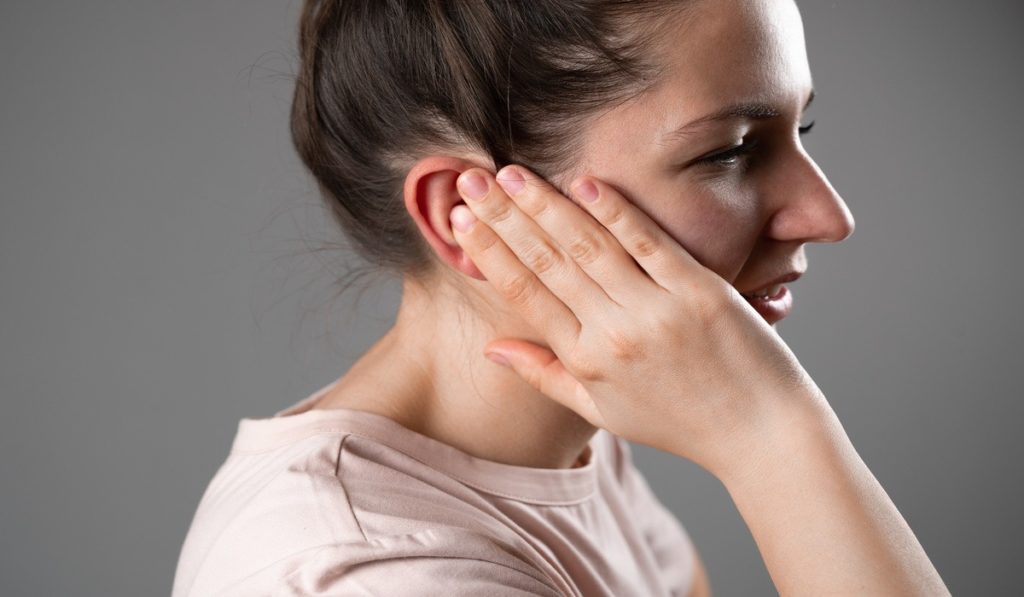
Misaligned teeth can cause tinnitus
Dental problems can cause heart infections, spinal pain, and migraines. What many people don't know is that teeth also affect our hearing.
Beautiful teeth don’t just look good—they’re important for overall health. In fact, inflammation in the jaw can trigger heart inflammation, and misaligned teeth can cause pain in the spine. What’s more, teeth affect our hearing: misaligned teeth and jaws, tension in the jaw muscles, or teeth grinding can all be causes of tinnitus.
What is tinnitus?
Tinnitus refers to noises in the ears—such as beeping, whistling, buzzing, hissing, and ringing—which typically vary in volume, intensity, and frequency for those affected. Some people experience these sounds only occasionally and at a low volume, while others hear them constantly and very loudly. This can severely interfere with their daily lives and sleep.
What causes tinnitus?
Tinnitus is most often caused by noise-induced damage to the inner ear, hearing loss, sudden hearing loss, traumatic brain injury, or otosclerosis (progressive stiffness of the ossicles in the middle ear). However, it’s also possible that these bothersome ringing sounds in the ears are caused by misalignment of the teeth and jaw. This is no surprise, since the ear and jaw are closely connected—not just anatomically. The temporomandibular joint is also linked to the ear via nerve connections and blood vessels, as well as through the functions of the cervical spine. Therefore, it is possible that the teeth can influence and strain our hearing. If the temporomandibular joints are not properly aligned or the teeth do not mesh correctly, this affects the surrounding muscles, which in turn irritate the hearing.
How can misaligned teeth affect the ears?
“It’s possible that a chewing disorder—known as craniomandibular dysfunction, or CMD for short—can affect the ear and contribute to tinnitus,” explains Dr. med. dent. Michael Schlotmann, who runs a dental practice in Menden and is a supporting member of the German Tinnitus League (Deutsche Tinnitus-Liga e.V.). “If the position of the temporomandibular joint fossa and the condyle is incorrect, one possible consequence is that the condyle of the lower jaw may strike the wall of the middle ear from behind—which can cause noises.” CMD refers to disorders of the masticatory and neck muscles involved in jaw movement. The consequences are pain that may occur only during movement (chewing) or may be constant.
Be sure to see a doctor
Even though the causes of tinnitus aren’t always easy to pinpoint, you should definitely see an ENT specialist if you’re suffering from this annoying ringing in your ears. If the doctor cannot find a cause, you should consult an orthopedist to rule out potential spinal problems. A visit to the dentist can also be crucial—especially if you have a dysfunction of the teeth or temporomandibular joints that affects your hearing.
That's Why Dentists Should Pay Attention to Their Ears
Did you know that dentists are among the occupational groups most at risk of developing work-related hearing loss? This is mainly due to dental drills, which can reach noise levels of over 100 decibels. The recommended maximum exposure level is 85 decibels—which is significantly lower. Older drills, in particular, are often far too loud.
Find out here how hearing aids can improve tinnitus treatment
You Might Also Be Interested In
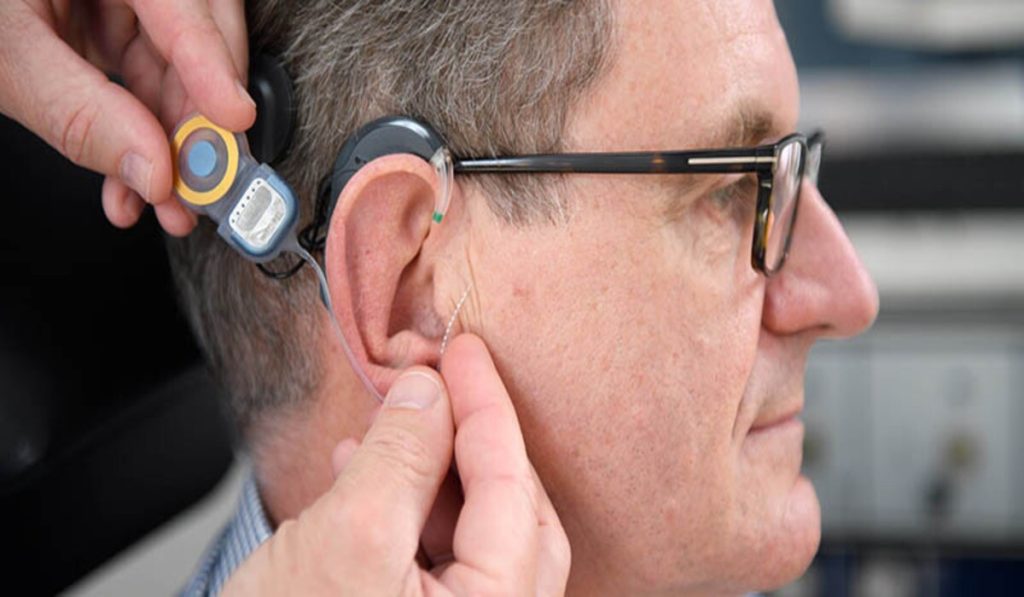
Tinnitus and Hearing Loss: Hearing Problems Caused by COVID-19
Hearing Problems Caused by COVID-19? Hearing loss and dizziness can be symptoms of a COVID-19 infection. Here’s how to treat hearing problems caused by COVID-19.

Ohren zu und durch!
Unser Ohr verschafft uns Zugang zu einzigartigen Klangwelten. Doch nicht alles, was wir hören können, ist angenehm. Kreissäge, Kratzen auf der Tafel oder Kindergeschrei: Wir stellen das schlimmste unangenehme Geräusch vor und erklären, wieso wir sie als so unerträglich wahrnehmen.