An Upgrade for Your Ears: Handy Extra Features for Hearing Aids That Are Truly Worth It
Bulky, whistling hearing aids? They’re a thing of the past. Modern hearing aids are small, lightweight high-tech marvels with amazing standard features and practical extras. But which hearing aid extras are worth it?
Modern hearing aids are high-tech computers for the ear—some of them are smaller than a two-cent coin. They come with many additional features that hearing aid users can add as they wish. As standard, modern hearing aids are equipped with at least three listening programs, six channels, and digital technology. They also provide excellent suppression of background noise and feedback. Those with public health insurance must pay out of pocket for additional features designed to enhance comfort or aesthetics. It’s therefore worth carefully considering which hearing aid features you truly need.
More Than Just Hearing Well—Additional Features for Hearing Aids
To help you achieve this, here’s a look at which hearing aid accessories might be worth considering for your ears:
1- Remote control for hearing aids
This accessory is particularly useful for people with hearing loss who have limited fine motor skills: Using an additional, larger remote control, they can easily select and adjust various hearing programs and the volume of their hearing aid.
2- Hearing Aids with Bluetooth
Many modern hearing aids can connect to a smartphone or TV via Bluetooth and be controlled directly. This is a useful feature for hearing aids, as it allows people with hearing loss to perceive significantly less ambient noise and more speech when watching movies or taking calls.
3- Automatic Adaptation to Listening Situations
Modern hearing aids can automatically adapt to different listening environments. To do this, the digital hearing aid constantly analyzes the listening environment and switches between preset hearing programs within milliseconds to optimize sound for the specific situation. This extra feature for hearing aids is a boon for your ears and ensures perfect hearing, even in the presence of background noise—such as in an office, on the subway, or while listening to music. However, it’s also possible to select hearing programs manually.
4- Good Broadband Quality
Highly recommended for people with hearing loss who are avid music lovers: This allows them to listen to their favorite music without any loss of quality.
5- Cleaning Kits and Drying Cases
Hearing aids also require care. Their microphone ports, which are only a few tenths of a millimeter in size, get dirty easily. Drying cases are available for storing hearing aids after use. People with hearing loss should consult their hearing care professional for guidance before using these two hearing aid accessories.
6- Sports clips
A useful accessory for sports fans: Sports clips help keep hearing aids securely behind the ear and prevent them from getting lost.
7- Hands-Free Function While Driving
Drive safely by keeping your hands on the steering wheel and your eyes on the road: Some hearing aids can function as a hands-free system while driving. At the same time, they can directly play back announcements from the navigation system.
Connected to the TV—Using a TV Adapter
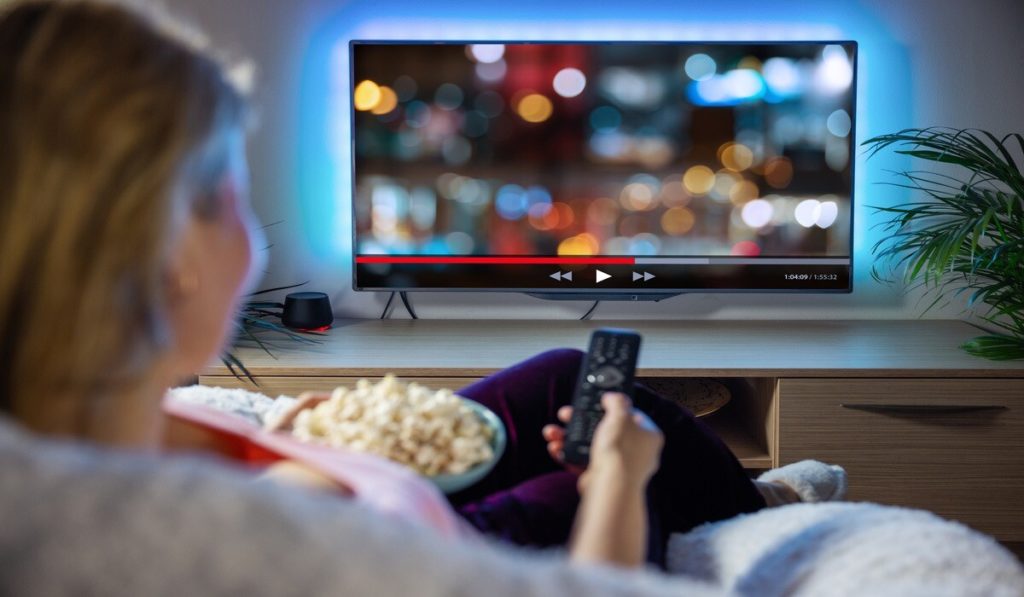
For people with hearing loss, watching TV is often no fun: The sound is too quiet, or the hearing aid isn’t optimally tuned to the TV’s audio—so they can’t understand anything. The solution: Receiving the TV’s audio signal directly in the hearing aid. A pipe dream? No! Special TV adapters transmit the TV’s sound directly to the hearing aid via Bluetooth or radio waves if the TV or hearing aids aren’t Bluetooth-enabled. These adapters then function like headphones with personalized sound adjustment. The adapters optimize the audio track specifically for the hearing aid user. All other viewers without hearing aids enjoy the sound as usual.
Streaming to the Hearing Aid
Audio streaming via the new Aurcast Bluetooth standard offers many options for transmitting audio directly to the hearing aid, including in movie theaters or other public places. To stream music individually to a hearing aid, a Bluetooth connection and a smartphone are used. Audiobooks, news, and YouTube videos can also be transmitted directly to the hearing aid in this way. Some hearing aid manufacturers already offer this standard in their devices. Public spaces and buildings will now need to be equipped with the new technology and corresponding transmitters over the coming years. This will take some time (5–10 years).
Hands-Free
A very practical extra feature of hearing aids is their use as a hands-free headset. You can use Bluetooth-enabled hearing aids as a wireless headset. To do this, connect the hearing aid wirelessly to your smartphone to make calls. If that’s not possible, an additional connector provides a wireless connection—for example, to a landline phone or computer.
iPhone and iPad users with newer-generation models can benefit from a smart feature for hearing aids: With the push of a button, it becomes a hands-free headset, allowing hearing aid users to answer calls directly in their ear and thus make hands-free calls with the best possible sound quality. How does it work? It uses Apple’s latest Low-Energy Audio protocol. This protocol offers reliable audio streaming and new features such as hands-free calling.
Do you need some help navigating the maze of hearing aid types and accessories? Then check out these hearing aid tips from a hearing care professional. The expert in hearing health will advise you on the ideal hearing solution for your ears—and on many personalized features for your hearing aids. You can find hearing care professionals near you using the hearing care professional search tool.
You Might Also Be Interested In

Immer besser hören
Die Zukunft des Hörens ist trotz Schwerhörigkeit rosig: Technische Innovationen, auch mit Künstlicher Intelligenz, schaffen immer besseres Hören, individuelle Hörerlebnisse und viel Komfort.

Neues aus der Hörakustik: Wie wir zukünftig noch besser hören
Die Zukunft des Hörens mit KI im Ohr, konnektiven Hörsystemen und Ferneinstellung von Hörgeräten hat längst begonnen. Auf dem Digitalen EUHA-Kongress informieren Experten über Innovationen, Trends und Herausforderungen in der Hörtechnologie.
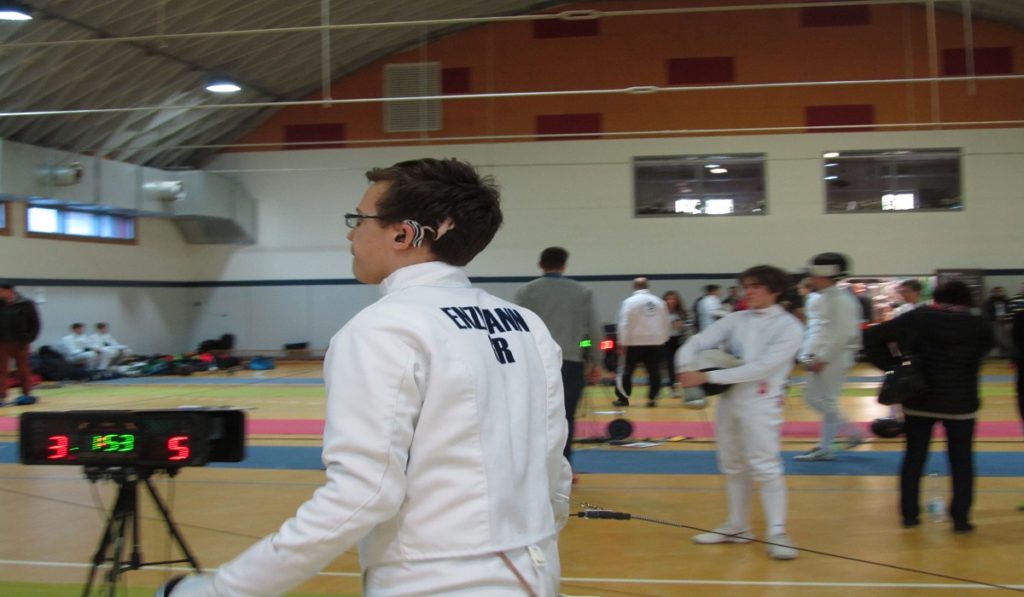
Successful Fencer—With a Cochlear Implant
Despite his hearing impairment and thanks to a cochlear implant, Jonas Enzmann from Leipzig can already look back on an impressive athletic career at just 17 years old.