Erich – Spokesperson for the “Life Deserves to Be Heard!” campaign
Erich is 74 years old and a cheerful man from the Rhineland. It took him a while to realize that there’s a difference between hearing and understanding. Why? Erich, an ambassador for the “Life Deserves to Be Heard!” campaign, told us all about it in an interview. .
Erich, you’re a hearing ambassador for our “Life Is Worth Hearing!” campaign. When did you first notice that your hearing was impaired?
To be honest: Many friends—and even my son—had been pointing out to me for a long time that I often had to ask people to repeat themselves or that I didn’t understand things at all or misunderstood them. I’d often blame others and tell them they were mumbling or speaking too quietly. Somehow, that was easier than admitting to myself that I had a problem. Looking back, my hearing problems began over 20 years ago, when I was still working at Karstadt. In management meetings, I often didn’t understand what was being said and literally had to read people’s lips. Even back then, that was a less-than-ideal strategy.
How has yourhearing loss affected your personal life?
I love life, with everything that comes with it—in the best sense of the word. Looking back, I held my foot on the brake for far too long. The things I came up with just to avoid making a fool of myself! Just think of all the birthdays, parties, and events I missed because my inhibitions were so strong. It almost hurts to think about it! I came up with some pretty wild excuses just so I could back out of social events—or avoid having to go. My wife would always say, “Oh, you know, if you don’t feel like it, then we’ll just stay home!”
So what happened next?
Eventually, I gave in to the persistent urging of my partner at the time and went to the doctor to get a hearing test. Our evenings watching TV together were really straining our relationship back then, because I always had to turn the TV up very loud just to understand anything. My son would often cover his ears when he dropped by unexpectedly and the TV was on—I’d definitely noticed that. Still, I have to admit, it wasn’t a pleasant realization.
So how did the hearing test and the results go?
The hearing test was simple and totally straightforward—and from my perspective, it was still clear afterward that I didn’t needhearing aids. But theENT doctorand the results said the opposite: I urgently need them. I don’t remember exactly what the results were back then. Currently, my hearing is 40 percent in my left ear and 60 percent in my right.
And after the hearing test, did you get a hearing aid to address your hearing loss?
When people have poor eyesight, they all go to the optician and buy a nice pair of glasses. Wearing hearing aids is even less noticeable—and they offer so much more. These little devices are packed with high-tech features and can easily keep up with today’s smartphones. As someone with public health insurance, you can even get them without paying any out-of-pocket costs.
With its“Life Is Worth Hearing!” campaign, the German Hearing Aid Industry Association (BVHI) aims to raise awareness about good hearing and provide information on how to preserve one’s hearing for as long as possible and, if necessary, receive the best possible care. The hearing ambassadors are helping to achieve this. The mission: to encourage people to have their hearing checked regularly and, in the event of hearing loss, to seek professional care in a timely manner.
What has been your most important realization since you started wearing hearing aids?
There’s a huge difference between hearing and understanding. I may have heard everything before, but I certainly didn’t understand everything.
Did you have an “aha” moment with your hearing aids?
Being able to pick up on things I’d almost forgotten how to hear. It’s been a great experience! And I’ve rediscovered music.
How can we encourage society to talk more openly about hearing health?
There was a time when even casual conversations were a challenge for me. And when I realized that even my son’s voice was getting lost in the fog of incomprehensibility and our connection seemed to be fading, something inside me suddenly went off with a loud screech: my inner alarm bells. And thankfully, they were louder and bigger than the thought: “Look, he must be really old if he has to wear hearing aids.” What nonsense! The much smarter thought is: “What an amazing high-tech device I have in/on my ear! So small, yet so powerful. With this thing—which you can barely see—I could hear a pin drop if I wanted to!” But what was even more important was that I could hear my son and my friends clearly again—with all the subtle nuances and shades of meaning. That’s great—and important.
What advice would you give to people who might be hesitant to seek help?
My message to everyone out there: Don’t let preconceptions or fears hold you back when it comes to your hearing health. Listen to your body and your senses, and be willing to accept help when you need it. Life is too precious to let untreated hearing loss get in the way. Everyone deserves to experience the world in all its sonic splendor. So take your hearing health seriously and take the first step toward a life where you can hear everything fully.
Thank you very much for the interview.
There is a wide variety of hearing aids available. With a range of styles, designs, and colors, they can be perfectly tailored to your needs and are not only functional but also aesthetically pleasing. You can find out more in our extensive selection of hearing aids.
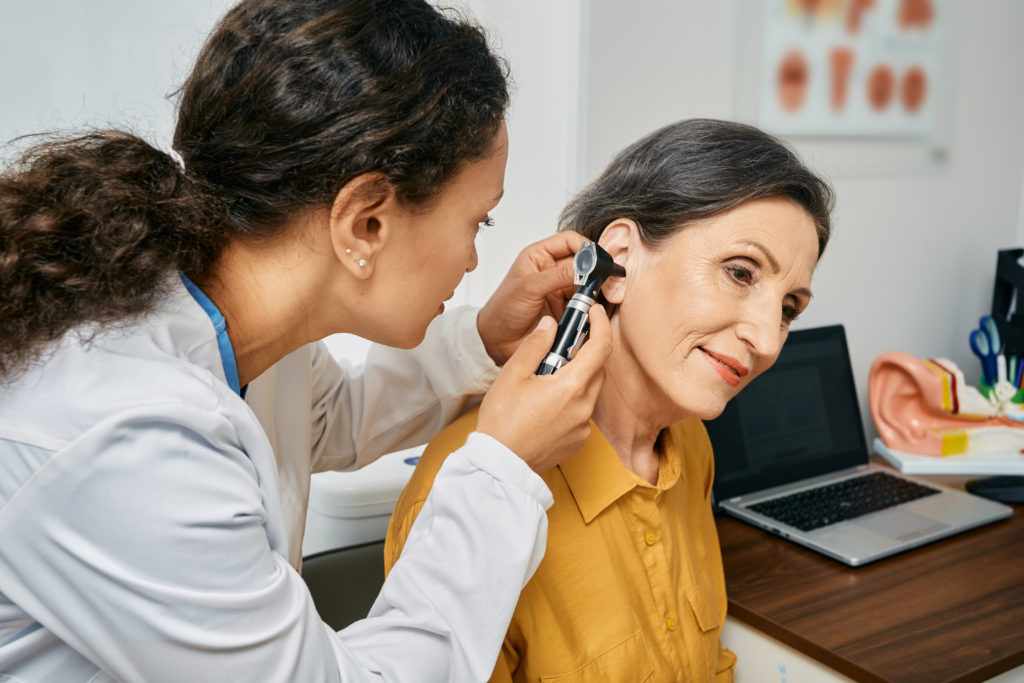
What You Should Know About Age-Related Hearing Loss
Learn how early detection and treatment of age-related hearing loss can improve your quality of life.

Hearing Well – Getting Used to Hearing Aids
How Modern Hearing Aids Can Enrich Your Life: Tips for Optimal Fitting and Getting Used to Your New Hearing Aid.
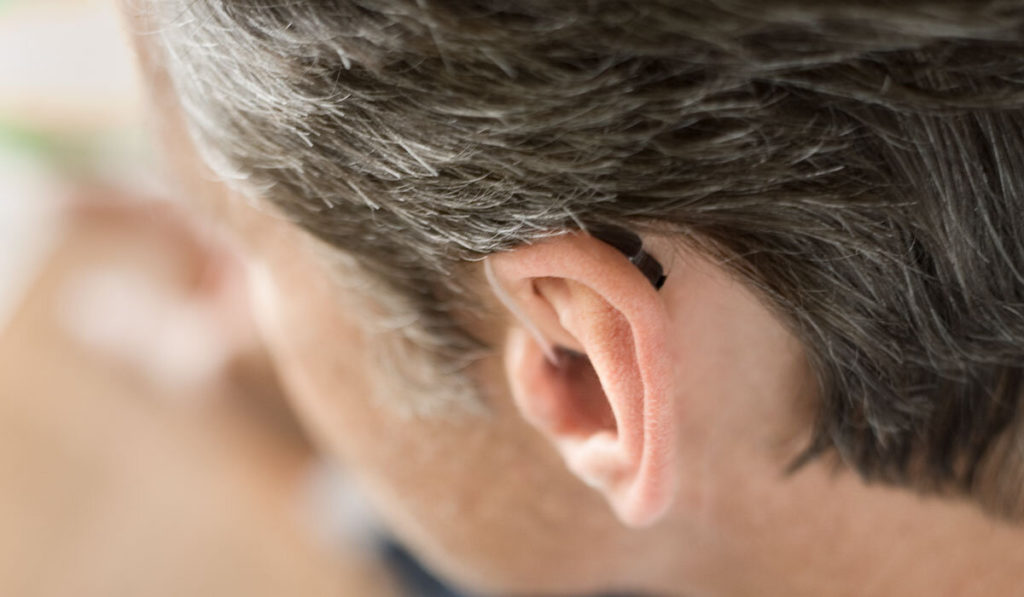
Hörgeräte gehören in die Ohren
Hörgeräte erhöhen die Lebensqualität ganz erheblich, insbesondere, wenn sie regelmäßig getragen werden. Das bestätigen europäische Studien.