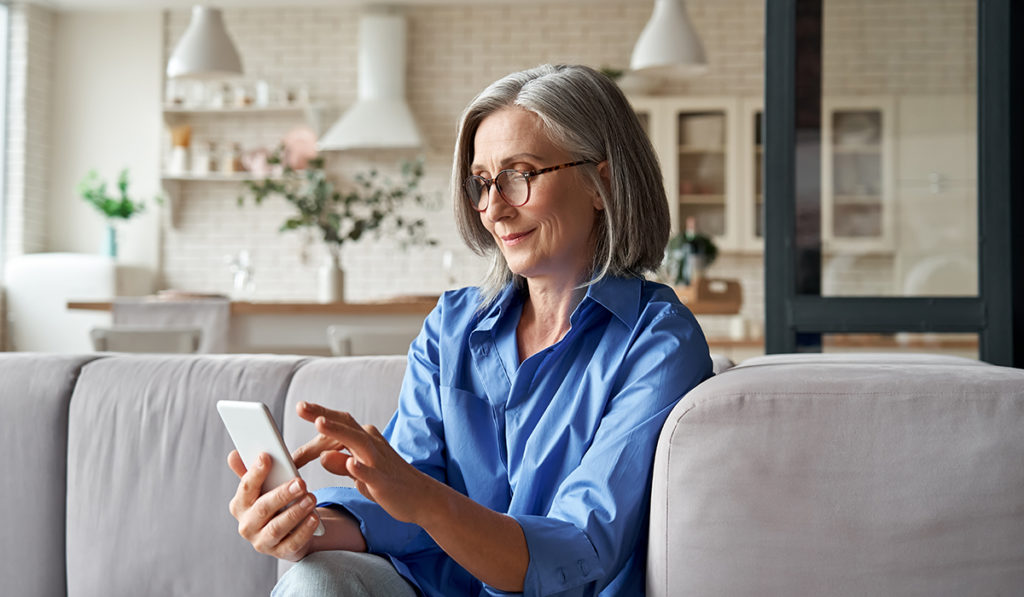
How Modern Hearing Aids Connect to Alexa, Siri, and Other Voice Assistants
Hearing aids have long been small, high-tech digital marvels that can do far more than just amplify sounds and compensate for hearing loss. Thanks to built-in Bluetooth features, they can connect to smartphones, TVs, computers, or even smart home devices. Through this interface, you can then answer phone calls, stream your favorite music directly into your ear, or retrieve information via voice command.
In this article, we'll show you what hearing aids in a smart home are all about and how you can use them with your devices at home.
How Hearing Aids Work in a Smart Home
The use of hearing aids in the smart home means that they not only serve as traditional hearing aids but are also directly connected to smart devices and digital assistants.
Thanks to modern technologies such as Bluetooth and Wi-Fi, a smart hearing aid can connect to speakers, doorbells, smoke detectors, and voice assistants like Amazon Alexa, Google Assistant, or Siri. The result: seamless integration that not only improves hearing comfort but also ensures greater safety and independence in everyday life.
How do you picture that?
- Doorbell: Instead of just hearing the doorbell ring, a smart doorbell sends a direct signal to your hearing aids, since they can connect to the smart doorbell via Bluetooth. That way, you’ll never miss the mail carrier or visitors.
- Smoke detector: In an emergency, a smart smoke detector not only emits a loud alarm but also sends an audible or vibrating warning directly to your hearing aids—even if you’re in another room.
- Television: Some hearing aids can already receive TV audio directly. A TV connector can be used for this purpose. This is a small transmitter that plugs into the TV and then transmits the TV’s audio directly to your hearing aids. Modern hearing aids with Bluetooth may even be able to connect to the TV without an additional TV connector. Your TV must also have Bluetooth for this to work. However, not all Bluetooth is the same. It’s important that the TV can transmit Bluetooth signals so that the audio signal can be sent to your hearing aids. Whether using an accessory or connecting directly via Bluetooth—your hearing aids become like headphones that are individually tailored to your specific hearing loss, allowing you to hear and understand TV perfectly again.
- Phone calls: Thanks to the Bluetooth connection, you can receive and make calls wirelessly through your hearing aids and no longer have to awkwardly hold your smartphone up to your ear.
- Controlling home appliances: In this context, your hearing aids take on the role of a voice assistant. This requires built-in microphones and a Bluetooth function that allows the hearing aid to connect to your smartphone. This not only expands your hearing capabilities—you can also control smart home devices such as lighting systems, heating, or blinds via voice commands, making your daily life even more comfortable and accessible.
Overall, while the range of functions in a smart home depends on the specific hearing aid and the connected devices available, there are already a wide variety of ways to seamlessly integrate hearing aids. We’ll take a closer look at that in the next paragraph.
What requirements must be met for integration?
The connectivity of modern hearing aids relies on the interaction of various devices and standards. To ensure seamless integration into the smart home, all components must be compatible.
Smartphone
The smartphone is usually the central link between hearing aids and smart home devices. Apple’s iOS supports direct pairing of hearing aids through the “Made for iPhone” standard. iPhones automatically detect compatible hearing aids and stream audio (calls, music, Siri) directly to them.
On the Android side, a similar standard called ASHA (Audio Streaming for Hearing Aids) has been introduced, which is supported by many new hearing aids and current versions of Android. In addition, some manufacturers use standard Bluetooth: This allows certain hearing aids to be paired as Bluetooth headsets with any Bluetooth-enabled device, whether it’s a smartphone, PC, or TV.
App
In addition, you’ll need the manufacturer’s app on your smartphone to use all features, such as programs, updates, and assistive functions. Be sure to check before purchasing whether your hearing aids are compatible with your phone (operating system version, required app, etc.). Also, be sure to check with your hearing care professional regularly for updates to the app software for your hearing aids.
Voice Assistants and Smart Speakers
Amazon Alexa and Google Assistant are cloud-based but run on devices such as the Amazon Echo or Google Nest, or on a smartphone. Hearing aids integrate into this system either indirectly or directly. Indirect integration occurs when you use the assistant via a smartphone app, as described above. Examples include Alexa in the hearing aid app or Google Assistant on your smartphone.
A direct connection is also possible in certain cases: Some smart speakers support Bluetooth output, allowing a hearing aid to be paired as “headphones.”
However, the setup can be somewhat complex, and not every assistant supports Bluetooth output to hearing aids. Alternatively, manufacturers offer their own skills/actions, such as an Alexa skill for checking the hearing aid status.
In general, Alexa and Google Assistant can be used with almost all Bluetooth-enabled hearing aids, but they usually require a smartphone to act as an intermediary. Apple Siri, of course, works best with hearing aids paired with an iPhone.
TVs and Audio Sources
There are several ways to connect your hearing aids to a TV, stereo, or computer. Modern smart TVs often have Bluetooth. In this case, you can pair your hearing aids directly (if they are recognized as audio receivers) and receive the TV audio directly in your ears.
More common, however, is the use of streaming accessories from hearing aid manufacturers: small transmitters that connect to the TV and send the audio signal to the hearing aid using the manufacturer’s proprietary wireless protocol. These solutions are optimized for each other and therefore promise lower latency. For computers and tablets, hearing aids (with standard Bluetooth) can be connected directly. Otherwise, you can use a USB Bluetooth dongle or stream via your smartphone.
What are the benefits of smart hearing aids?
The applications and possibilities described here show that integrating hearing aids into a smart home makes everyday life more comfortable and safer. Users can adjust their devices using voice commands without having to intervene manually, which promotes independence.
Important auditory signals—from doorbells to alarms—are not missed, as they are directed straight to the ear. In addition, hearing aids and their settings can be customized to suit individual needs. Whether you’re at a loud party or working quietly from home, you can quickly adjust the hearing program or environment to your preferences using voice commands.
Combining all smart home devices on a single central platform makes processes more efficient and connects all components. Overall, this improves the quality of life. You’re more actively involved in what’s happening, less dependent on assistance, and can enjoy all the benefits of a connected home despite hearing loss.
Conclusion
Despite all the advantages, you should be aware that, despite all the progress made, the integration of hearing aids into the smart home is still in its infancy. However, the coming years promise further exciting developments. Experts are already referring to “Smart Hearing” as the next step. Hearing aids are becoming fully integrated smart devices that communicate with home appliances and web services. Artificial intelligence will also play an increasingly important role in the field of hearing aids and audiology in the future.
Would you like to learn more about this topic or get advice on your current options for using a hearing aid in a smart home? Use our free search service to find an ENT doctor or hearing care professional near you and schedule an appointment.



