
Regular hearing screenings starting at age 50 improve health in old age and reduce follow-up costs
“Hearing Care for People 50 and Older – I’M PART OF IT!” is the theme of this year’s World Hearing Day on March 3. When it comes to regular hearing tests, people over 50 still have some catching up to do.
Germans take preventive health care seriously. This is shown by the results of a Civey survey of 5,000 people aged 50 and older. 81.4 percent consider personal preventive health care to be important or very important. Only 8.6 percent of those surveyed consider personal preventive health care unimportant. However, the health risks associated with untreated hearing loss are apparently not yet sufficiently well known.
Preventive health care is important to Germans—but hearing tests and preventive hearing care for people age 50 and older are not yet a priority

Germans aged 50 and older are health-conscious and undergo regular preventive checkups. More than two-thirds of those surveyed visit the dentist annually for checkups. Nearly as many undergo regular health checkups with their primary care physician (65.6%). Half of those surveyed frequently visit an ophthalmologist, and many undergo regular colorectal cancer screenings (39.7%) and skin cancer screenings (37%).
Surprisingly, however, some people neglect their hearing. Only 15.4 percent of those surveyed have their hearing tested regularly and undergo the necessary hearing screenings after age 50—despite the excellent ENT and hearing care services available in Germany.
Specialist hearing screenings starting at age 50 help prevent the consequences of hearing loss in old age
In light of the survey results, it is important to continually inform people and encourage them to take timely steps to preserve their hearing. People in whom early-stage hearing loss is detected through timely hearing tests can be provided with appropriate hearing aids, suffer less from a loss of social contact, and prevent related health conditions.
That is why, on the occasion of World Hearing Day 2023, the German Association of the Hearing Aid Industry (BVHI) is calling for a specialist hearing screening starting at age 50 to be included as a preventive service in the coverage catalog of statutory health insurance providers. Under the slogan “Hearing Care Starting at Age 50 – I BELONG!”, numerous events are taking place at hearing aid centers, ENT clinics, rehabilitation centers, retirement homes, museums, and other venues. At these informational events, those affected, their family members, or friends can seek advice or have their hearing checked right away with a professional hearing test. Regardless of World Hearing Day, patient advocacy organizations such as the German Association for the Hard of Hearing (DSB) regularly provide information on hearing health. For example, the DSB tours all federal states with its “DSB Hörmobil”and two trained staff members, offering people advice on hearing health and hearing tests.

How often do people over 50 get a hearing test?
The good news: Only one in four respondents says they’ve never had a hearing test. However, the need for regular hearing tests is underestimated: Only 18.2 percent of respondents had their last hearing test within the past year. But after age 50, age-related hearing loss (presbycusis) typically begins—often gradually, sometimes going unnoticed for years. That’s why regular, repeated hearing tests are very important for detecting changes in hearing that may require treatment in a timely manner. Early intervention with hearing aids effectively prevents the increased health risks and reduced quality of life associated with hearing loss. When was the last time you actually had a hearing test?
Regular hearing tests and hearing screenings starting at age 50 are very important
According to the survey, half of all respondents consider regular hearing tests at an ENT specialist’s office to be important or very important. Further education about the numerous benefits of effective hearing care for hearing loss can help increase this percentage—and the willingness to undergo regular hearing screenings starting at age 50. The BVHI pursues this goal on World Hearing Day and beyond. This would reduce the prevalence of undiagnosed degenerative hearing loss in older adults, as well as the associated costs and secondary health conditions. The result would be an improved quality of life, even in old age. This is because receiving hearing aids as early as possible helps people continue to participate fully in daily and professional life without impairment and helps preserve their sense of hearing. However, the longer hearing loss remains untreated, the more difficult it is to get used to hearing aids and to relearn how to hear.
Modern hearing aids are digital devices that offer a wide range of additional features and function much like modern headphones. This makes it possible, for example, to make phone calls via Bluetooth, participate in meetings, watch TV, or listen to music.
What some people with hearing loss may not know: If there is a medical indication and a hearing loss has been diagnosed by an ENT doctor, insured individuals can receive modern hearing aids without having to pay any out-of-pocket costs.
High Costs to Society from Untreated Hearing Loss
Untreated hearing loss has an enormous impact on the quality of life and productivity of those affected and results in follow-on costs of approximately 39 billion euros per year in Germany alone (Source: Shield (2019): Hearing Loss – Numbers and Costs. Evaluation of the social and economic costs of hearing impairment. Brunel University, London). Of the 5.8 million Germans (over the age of 15) living with a disabling (i.e., severe) hearing loss, only two million wear hearing aids. For each person with untreated hearing loss, this results in annual associated costs of around 10,300 euros, as shown by the figures from the Hearing Loss Study.
Thanks to the collaboration between ENT specialists and hearing care professionals in Germany, people with hearing loss have access to a network of experts that ensures the highest standard of care nationwide. Take advantage of these services! Get a hearing test and make sure to undergo regular hearing screenings starting at age 50.
You Might Also Be Interested In
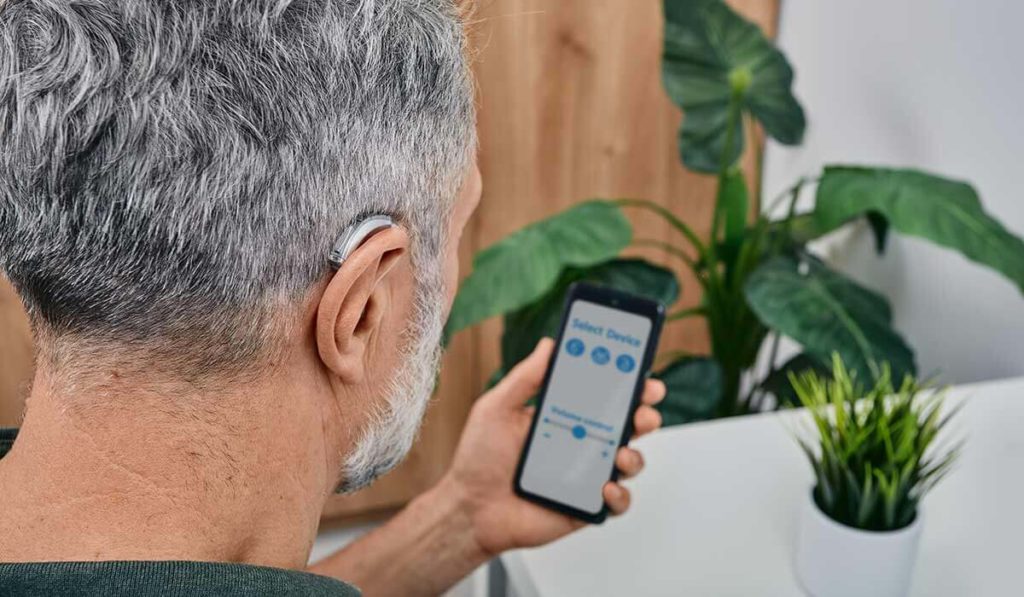
Direkt auf die Ohren – dank Hörgeräten mit Bluetooth
Träger von Hörgeräten mit Bluetooth Funktion haben die fortschreitende Digitalisierung und Konnektivität im wahrsten Sinne des Wortes direkt im Ohr. Neue Klangerlebnisse ermöglicht zukünftig der neue Bluetooth-Standard LE Audio.
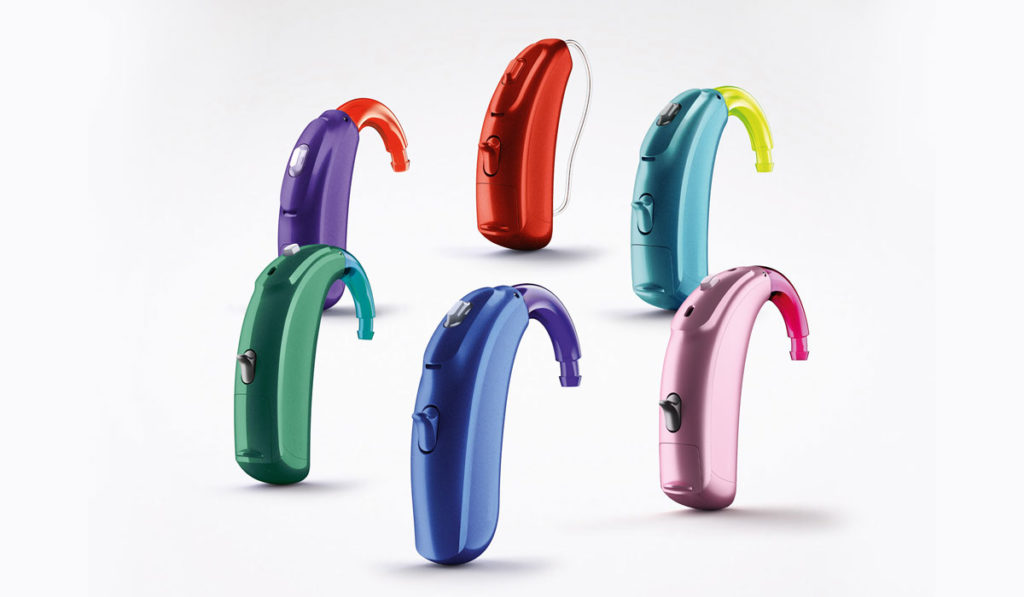
Hörtechnologie: Mit modernen Hörgeräten gegen Hörermüdung
Wer kennt es nicht – schlafen wir nicht genug, sind wir mitunter tagelang müde. Wussten Sie, dass auch unser Gehör „ermüden“ kann? Wir haben unseren Audiologie-Experten Horst Warncke zu diesem Phänomen befragt und klären auf: Was ist Hörermüdung und wie können moderne Hörgeräte helfen?