All Aflame: Is It Truly Healing or Just Hocus-Pocus?
They’re all the rage—but do ear candles really clean the ear? The use of ear candles and their effectiveness are controversial from a medical standpoint, as ear candles carry many risks.
At a Glance
- ENT doctors do not confirm the cleansing effect of ear candles
- The main risks lie in the increased danger of injury and burns
- Ear cleaning is unnecessary and harmful
- Excessive earwax production can cause discomfort—in such cases, an ENT doctor can provide quick and straightforward relief
Poor hearing and a feeling of pressure in the ear—in short: something isn’t right. One possible cause is an excess of earwax. Many people then want to clean their ears—without seeking medical advice. Ear candles, among other products, are offered in the health and wellness sector for cleaning purposes as well as for general well-being.
What are ear candles?
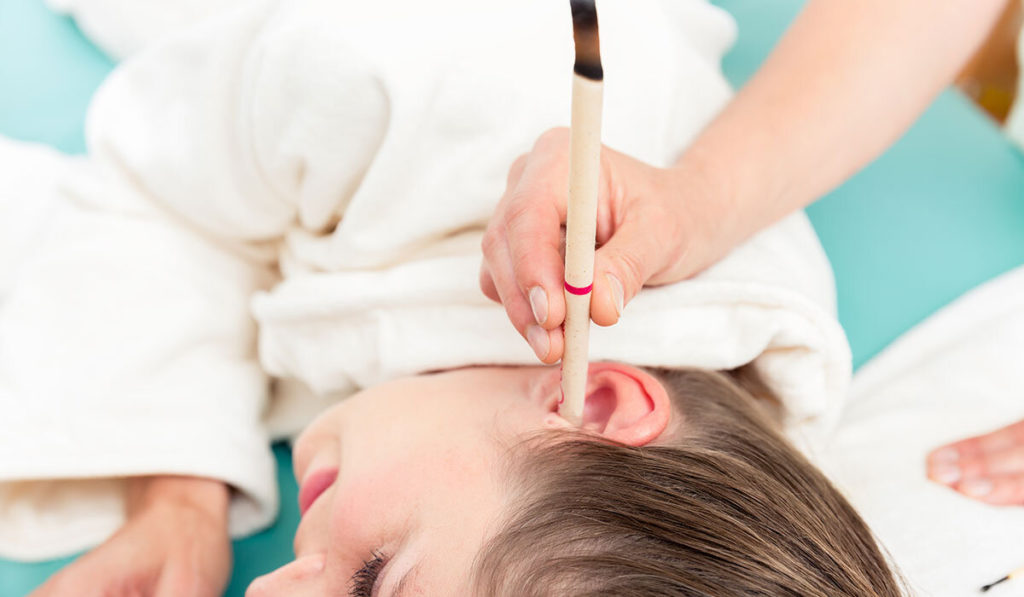
Ear candles are rolled sticks about 20 to 30 cm long, made of waxed paper, beeswax, paraffin, or similar combustible materials. They are funnel-shaped and hollow inside. According to manufacturers, ear candles cleanse the ear naturally. They are also said to promote relaxation and detoxification of the body.
Does the "chimney effect" really work—or does it?
Vibrations, crackling sounds, and the essential oils contained in ear candles are said to relax the ear and the entire body. The effect of ear candles for ear cleaning is said to result from the so-called “chimney effect”: Warm smoke enters the ear, making earwax more liquid and easier to remove. At the top of the ear candles, the flame is said to create negative pressure that literally “pulls” earwax and other debris out of the ear.
Ear, Nose, and Throat (ENT) specialists in the U.S. demonstrated several years ago that the chimney effect is a myth. The smoke and heat from the ear candles likely only slightly loosen the impacted earwax, but do not dissolve it. According to ENT specialists, there is no sound scientific evidence supporting either the effectiveness or the safety of ear candles.
Safety First: The Risks of Ear Candles
The main risks associated with using ear candles are the high risk of injury and the risk of fire: Embers can quickly cause burns to the face, the ear canal, or the outer ear. Dripping candle wax can block the ear or even damage the eardrum. It’s not uncommon for ear candles to cause house fires. If you decide to use ear candles to clean your ears or because you have ear pain, this may actually make the condition worse. Anyone who notices injuries after using ear candles or cleaning their ears should consult an ENT specialist as soon as possible.
You Might Also Be Interested In

The Self-Cleaning Mechanism of Our Ears
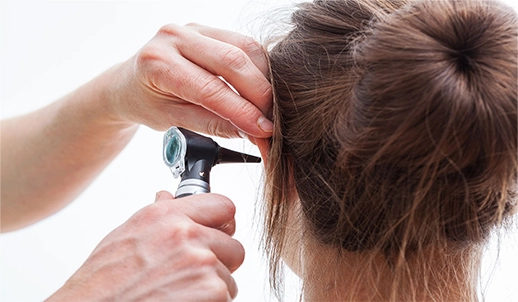
Our ears constantly produce earwax, known as cerumen in technical terms. It keeps our ear canal supple and neutralizes bacteria that have entered the ear. In this way, cerumen protects us from infections and other ear conditions. Most of the time, it naturally makes its way out on its own, carrying away dirt particles and dead skin cells in the process. Nevertheless, people often feel the need to help it along. However, cleaning your ears is unnecessary and dangerous. Our ears do not need constant cleaning. Neither cotton swabs nor other devices for removing earwax, nor ear candles, are recommended. On the contrary: they can injure and damage the ears.
Clogged Ears:
Symptoms that require immediate consultation with an ENT specialist!
Not only excess earwax but also ear infections can cause blocked ears and a painful sensation of pressure that often occurs suddenly. If you experience these symptoms, don’t hesitate to see an ENT specialist. They can quickly and competently identify the causes and provide relief.
- Pressure and a feeling of fullness in the ear
- Fluid leaking from the ear
- Hearing loss
- Itching
- Tinnitus (ringing in the ears)
- Ear pain
Excessive earwax production can lead to very painful blockages, hearing loss, or ear pressure. A doctor can provide quick and straightforward relief with an ear irrigation. Pressure from the sinuses, ear infections, fluid in the ears, and damage caused by loud noises can also be causes of severe ear discomfort and may require professional medical treatment. Attempts at self-treatment, such as using ear candles or regularly cleaning the ears with cotton swabs, are strongly discouraged.
Do you feel like your hearing has gotten worse? Decreased hearing ability may—but does not always—result from an excess of earwax. Simply schedule a hearing test with a hearing care professional or an ear, nose, and throat doctor.