
What Hearing Aid Users Should Keep in Mind When Traveling
Summer, sun, sunshine! With our helpful tips and tricks, nothing stands in the way of a carefree summer vacation—even when traveling with hearing aids—including packing tips, care instructions, and device protection. Let’s get started!
The vacation season is finally here, and for many people, summer vacation is just around the corner. For many hearing aid users who are traveling, this raises the question: What do I need to keep in mind? Traveling with hearing aids is by no means a burden. On the contrary: Those who wear their hearing aids even while on vacation not only maintain their usual quality of life, but also experience more with all their senses, relax better, feel safer on the go, and can enjoy their vacation with greater peace of mind.
Travel—A Feast for the Senses and the Soul
Part of the vacation experience includes the sounds of nature, the buzz of voices at markets, or shared laughter in a café. With hearing aids, people with hearing loss can fully enjoy these auditory experiences. Modern hearing aids make it possible to follow conversations even in challenging listening situations and to be fully aware of one’s surroundings.
Without hearing aids, people with hearing loss have to constantly concentrate so they don’t miss conversations or important information. This can quickly become exhausting and frustrating—especially on vacation, when relaxation should be the priority.
Stay Safe on the Road
On airplanes, at train stations, or on public transportation, important announcements are often difficult to understand even for people with normal hearing. With modern hearing aids, people who wear them can hear these announcements more clearly while traveling and won’t miss any safety-related information. They can also react more quickly to warning signals while driving or on outings.
Traveling by Car as a Hearing Aid User
Driving is generally possible even for people who are deaf or have severe hearing loss. To protect themselves and others, it is essential that people with hearing loss always wear their hearing aids while driving. According to traffic laws, people who wear hearing aids are even required to wear them while driving. This is noted accordingly on the driver’s license. Read more about driving with hearing aids in our article.
To make sure your vacation is perfect, here are our tips and tricks for traveling with hearing aids and enjoying a relaxing vacation:
"I'm Packing My Suitcase"
The following items should definitely be included on the packing list for hearing aid users who are traveling:
- Spare batteries: Bring enough batteries. If you’re using a charger, be sure to pack an adapter if necessary.
- Storage cases and drying systems:Sturdy storage cases protect hearing aids from bumps, dust, dirt, and loss while you’re on the go. Drying systems regularly remove moisture from the sensitive electronic devices, preventing corrosion, malfunctions, and a shortened lifespan.
- Cleaning supplies: Pack cleaning products and a suitable cloth so you can regularly clean your hearing aids to remove sand, sweat, or sunscreen.
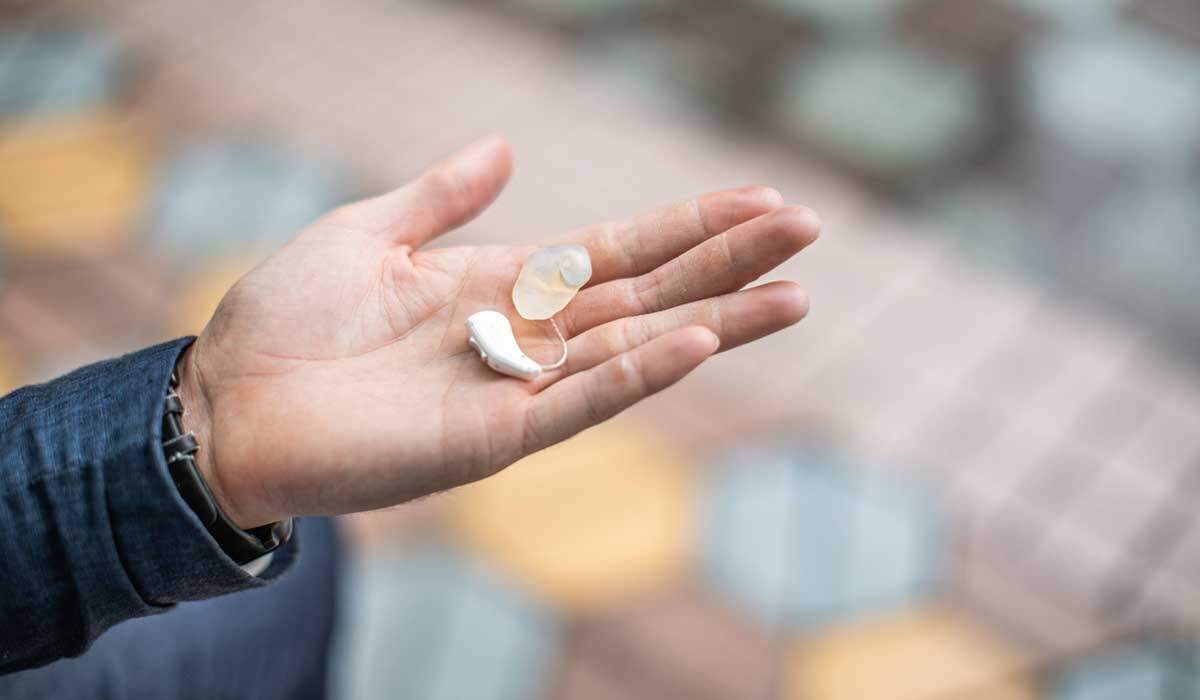
- Spare ear tips: These small tips that sit in the ear canal are wear-and-tear parts of the hearing aid. They can become clogged or damaged by moisture in the ear or cerumen (“earwax”). They can also get lost. It’s best to carry spares with you wherever you go.
Well Protected
Every destination has its own unique weather and climate conditions, which hearing aid users should be prepared for when traveling.
- Protection from Splashes: Many hearing aids are splash-resistant but not waterproof. Therefore, remove your hearing aids from your ears before going into the water. Some manufacturers now also offer waterproof models.
- Protection from sweat and moisture: Since your ears sweat slightly throughout the day, you should place your hearing aids in a drying case at night, remove the batteries, and leave the battery compartment open so that moisture can escape.
- Protection from heat:Hearing aids do not tolerate heat well. When you are not wearing them, you should store the devices in a case in a cool, shaded place.
- Protection from sand: When at the beach or in very dusty environments, store your hearing aids in a storage case and clean them regularly.
- Protection from sunscreen: The rule is: Apply the sunscreen first, let it absorb, and then insert the hearing aids with washed hands. Otherwise, the lotion will clog the device.

Communication on the Go
Whether at check-in, in a restaurant, or on excursions: With hearing aids, you can easily communicate with fellow travelers, staff, or locals. This makes your vacation more enjoyable and fulfilling. In addition, there are some handy little tech gadgets:
- Appswith translation features convert the language spoken in your destination country into text in your own language in real time.
- Apps with transcription features transcribe spoken words. This is especially handy at airports, train stations, or on guided tours.
- Specialized tinnitus apps, such as Noiser, help alleviate ringing in the ears using sounds or so-called “white noise” if hearing aid users experience tinnitus while traveling.
What if something goes wrong?
When traveling with hearing aids, hearing aid users should be prepared for unexpected situations. Think ahead about how you would respond in the event of loss or damage. Write down the serial numbers and—if applicable—your hearing aid insurance information, and keep your hearing care professional’s contact information handy. They can offer advice over the phone or provide you with addresses of specialty stores at your destination. Remember to pack spare parts in case you lose, for example, domes or sound tubes. You may still have old hearing aids at home that you can take with you as a temporary solution.
Want to play it safe? Then have your hearing aids checked one last time by your trusted hearing care professional before you leave. After all, you might not be able to find an expert who can take care of your hearing aids right away at your vacation destination. It’s also a good idea to write down the job title of a hearing care professional in the local language.



