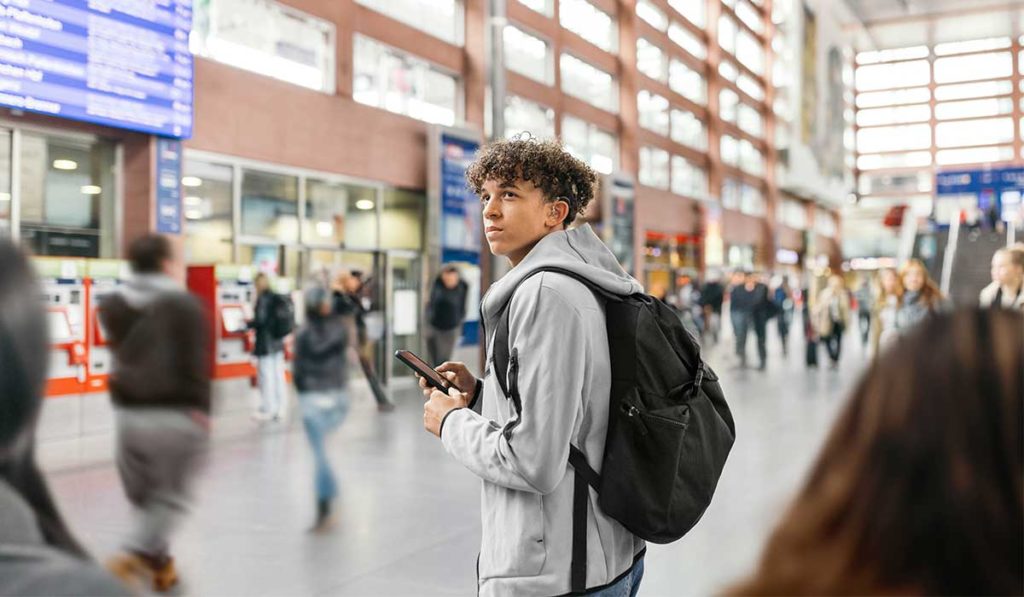
How to Enjoy a Vacation with Cochlear Implants
Vacation is here, and for many of us, that means it’s time for a summer getaway! We’ll show you how to make traveling with a cochlear implant (CI) a complete success. To ensure a relaxing break, CI users just need to keep a few things in mind while traveling—then the vacation fun can begin!
“Pack your swimsuit”: During summer vacation, everyone can finally get the most out of their swimwear. People with cochlear implants are no exception: these little technological marvels don’t make vacations any more difficult—whether you’re heading to the beach, the mountains, or on a city break.
If cochlear implant users keep a few things in mind when traveling and prepare well before setting out, they can enjoy a relaxing, safe, and carefree summer vacation just like anyone else—with all their senses, including their sense of hearing. After all, the sounds of the surroundings and conversations with others are what make a vacation an experience.
Travel Checklist for Packing Your Suitcase
When going on vacation with a cochlear implant, remember: Being well-prepared is half the battle! For cochlear implant users, thorough travel preparation is especially important—particularly when it comes to spare parts and accessories. After all, a malfunction while traveling can quickly lead to communication problems.
Our checklist for traveling with cochlear implants shows what you should definitely pack—ideally in your carry-on, not in your suitcase:
- Replacement processor, preconfigured by the hearing care professional
- Microphone covers or dust filters:Especially important for beach vacations and travel destinations with dust or high humidity
- Replacement coil
- Connection cable between the processor and the coil, as this is a typical wear-and-tear part
- Drying devicethat protects against moisture, especially in tropical or humid regions
- Cleaning wipes or a brush for microphones and the housing
- Battery charging station with charging cables
- Power adapters and voltage converters: Depending on your destination, you’ll need the appropriate adapters and, if necessary, voltage converters.
- Batteries:If possible, pack lithium-ion batteries in your carry-on luggage when traveling by air. Before arriving at the airport, check with your airline to see if and which batteries you are allowed to bring.
- Power bank:Useful for battery-powered devices while on the go
How does a CI work?
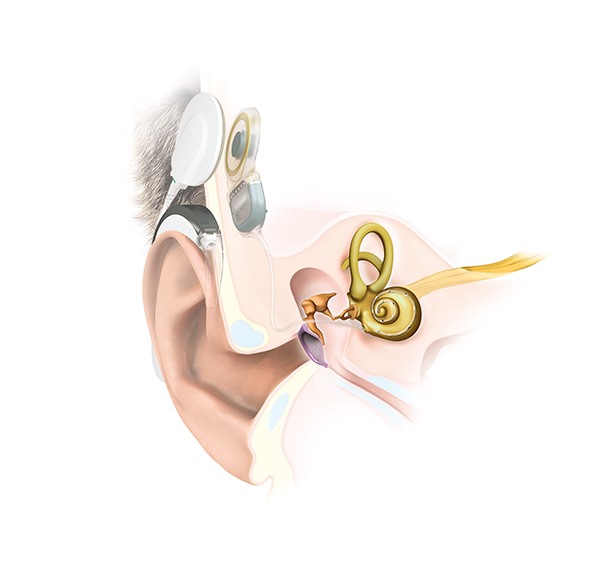
The cochlear implant consists of an audio processor with a transmission coil and an implant with an electrode array, which is placed under the skin. When sound waves reach the ear, they are first transmitted through the outer ear and the ear canal to the eardrum. In the middle ear, they are mechanically transmitted to the inner ear and amplified. This is where the cochlea is located. Inside it lies the organ of hearing. Its sensitive hair cells pick up the sound information and convert it into electrical nerve signals. These signals are then transmitted to the brain via nerve pathways—allowing CI users to hear.
At the Airport: Security Checks, etc.
The fastest way to reach most beach vacation destinations is still by plane. Follow these tips to get through security quickly and hassle-free:
- Avoid security scanners: If possible, do not go through body scanners, as they generate electromagnetic fields. Inform security personnel about your cochlear implants and ask for a manual check instead.
- Metal Detectors and CI: Handheld metal detectors should also not be passed directly over the implant. Inform security personnel of this special requirement to ensure everything goes smoothly.
- Inform the flight crew:First of all: Your implant does not affect your ability to fly. However, it is helpful to inform the flight crew about your hearing devices. This way, they can, for example, address you with special attention in emergencies.
- Prepare for noise: In airports or on the plane, noise can make it difficult to understand speech. Subtitle apps or written communication can be helpful.
Digital Helpers
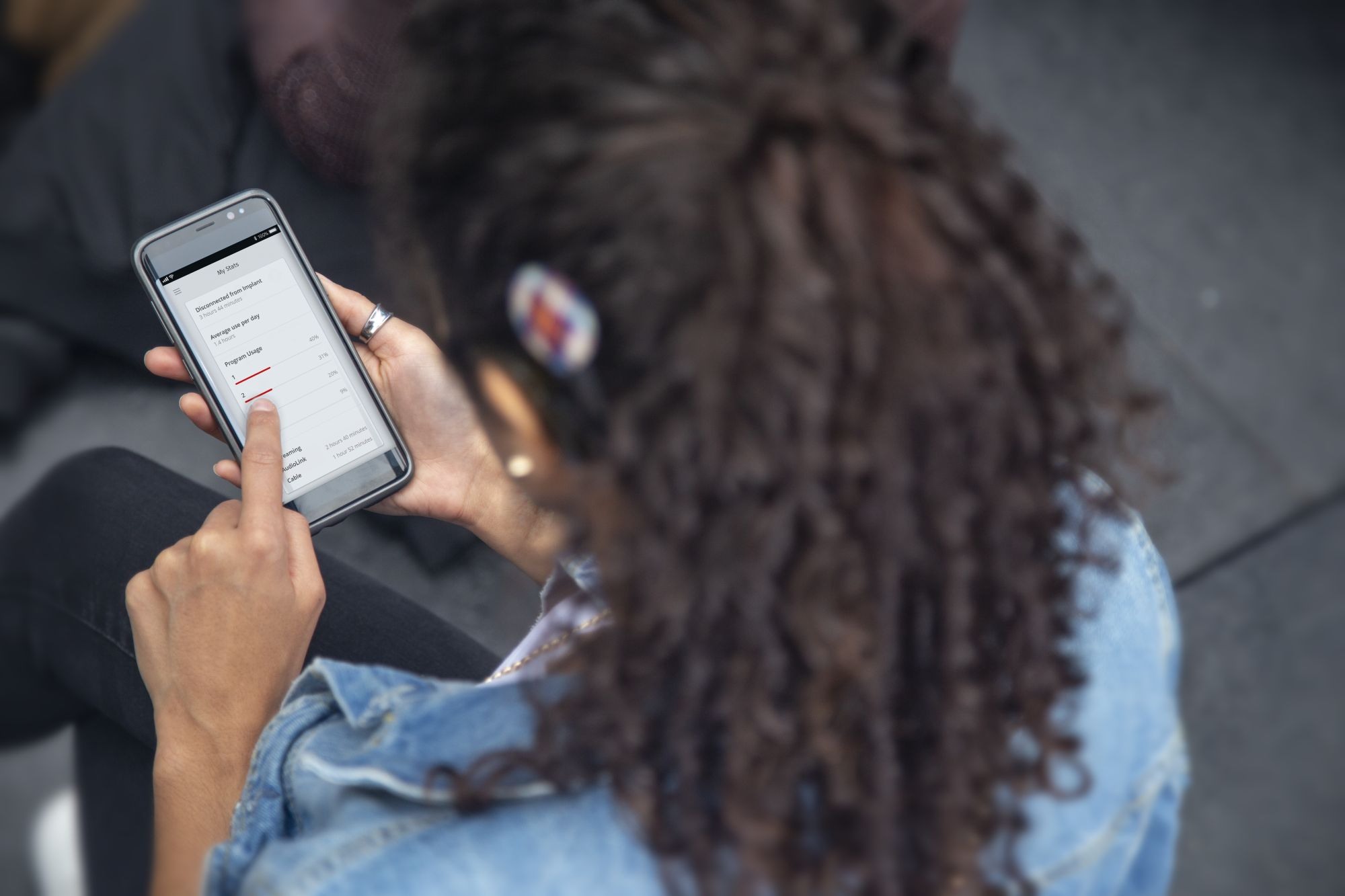
Many modern cochlear implants can now be conveniently controlled using apps or remote controls. When traveling with cochlear implants, it’s helpful to have the right digital devices with you so you can adapt flexibly to different listening situations.
- Don’t be afraid of foreign languages:For cochlear implant users traveling abroad, understanding a foreign language can be more difficult. So be sure to use translation apps or speech-to-text apps that display spoken language.
- Don’t feel like being around a lot of people today? No problem. Pack your streaming accessories—such as a TV connection, FM adapter, or Bluetooth streamer—in your suitcase so you can retreat to your hotel room or block out the surroundings while on the beach.
- A remote control or an app-enabled mobile device is useful for adjusting the volume and selecting programs.
Ready for Any Activity
Whether it’s a beach vacation, a city trip, or a hiking tour: Depending on the type of vacation, traveling with cochlear implants places different demands on your accessories. To ensure that your hearing works reliably in every situation and that your cochlear implants aren’t damaged, it’s a good idea to take precautions during activities:
- Moisture and Heat: Cochlear implants are sensitive to water and high humidity. Use waterproof pouches, drying systems, and—if available—special swimming processors.
- Sunscreen and sand: Sand and sunscreen can contaminate microphones and connectors. Be careful to keep your cochlear implants from coming into contact with them.
- Hiking and Trekking: Hiking enthusiasts should always carry shock-resistant carrying cases and extra desiccants with them.
To be on the safe side, be sure to pack your CI user ID card—which includes information on the model and manufacturer—as well as a multilingual medical note regarding your CI. It’s best to have your hearing aids checked again by your trusted hearing care professional before you leave. Ideally, find out before you leave where you can receive appropriate medical care in an emergency or where there is a hearing care professional at your vacation destination.



