How can I make the most of my situation and use cutting-edge technologies in combination with my hearing aid to my advantage?
Hearing loss has been steadily increasing in recent years, especially among young people. But that doesn’t mean teenagers have to withdraw from social life—quite the opposite. It’s like wearing glasses; after all, you have to “get used to them first.” The main thing is to approach the topic with an open mind and without false shame, because so much is possible these days. Beyond the right hearing aids, properly adjusted to your needs, there are many other options available to us—and by no means just for teenagers.
Make free calls using online services with your own hearing aid
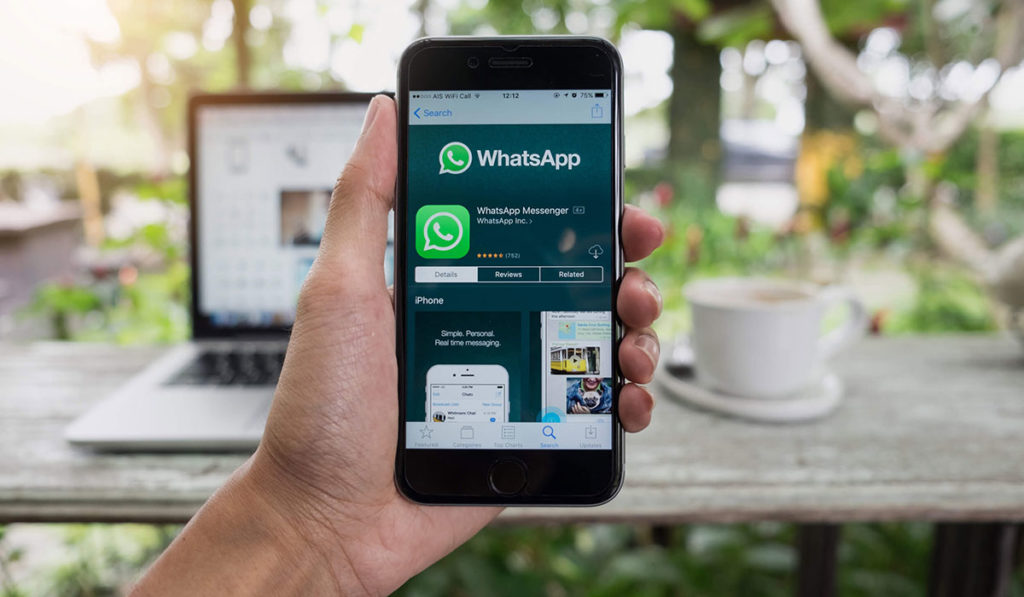
The traditional landline phone is increasingly taking a back seat, and many people now make calls exclusively on their cell phones. Other means of communication are taking center stage. One example is the world’s largest messaging app, “WhatsApp,” which, in addition to free text messaging, also enables voice and video calls anytime, anywhere. For people with hearing loss who don’t like to make phone calls, these developments are a blessing on the one hand, but on the other hand, they often raise questions. Even if, in the future, many friends and relatives—and young people in particular—can be reached almost exclusively via cell phone, this is no obstacle with hearing aids and accessories.
For example, it’s entirely possible to establish a direct connection to your hearing aid via the WhatsApp messaging service, allowing you to make phone calls as usual through this platform.
In our article, “Hearing Technology: Always Stay Connected Thanks to Wireless,” we’ve already discussed the possibility of pairing hearing aids with a phone. Modern hearing aids that connect to a landline phone via a telecoil or wireless technology make everyday communication easier despite hearing loss and improve quality of life. So, for example, anyone using one of the popular “streamers” will in the future also be able to communicate with loved ones using free services like WhatsApp or the video calling provider “Skype,” even as they gradually move away from conventional phone calls. A streamer is a small, standalone device that can be used as a hands-free unit for phone calls and can also be paired with a TV.
People have already used Skype to celebrate birthdays together across different continents, hold numerous meetings, and collaborate with colleagues—pretty much everything you’d want to do together on a daily basis. This form of communication is already possible today from the comfort of your sofa at home; all you need is a TV with built-in Skype functionality and a solution tailored to your specific needs for use with your hearing aid. Since there are a wide variety of options available in this area as well, it’s always advisable to seek the advice of a hearing care professional.
Subtitles on the Go—Accessibility 2.0
Speaking of television: Exciting developments are taking place not only in interpersonal communication but also when simply watching movies and TV shows. Subtitles for media content are no longer a luxury.
In a joint study by media organizations and Aktion Mensch, over 90 percent of respondents stated that they wanted subtitles for all television programming. People with hearing loss particularly want subtitles that include additional explanations of sounds and music. The U.S. and the U.K. are far ahead of us when it comes to subtitle availability. However, there are solutions here as well. The online video service NETFLIX has become very popular here. But what makes it so interesting for us? We can watch any movie with subtitles at any time, but the developers have come up with something very special here: The subtitles can be customized entirely to suit individual needs. This allows people with visual impairments to adjust the subtitles individually for optimal readability. NETFLIX offers “on-the-go” subtitle convenience, as movies can be accessed on computers, TVs, tablets, and smartphones, and your personal subtitle settings are preserved. And when the device is paired with a hearing aid, nothing stands in the way of an optimized movie and TV series experience.
Providers like NETFLIX are thus revolutionizing people’s TV viewing habits and, together with technical innovations from the hearing aid industry, creating significant added value for the hard of hearing.
The Soundshirt: A Concert Experience for People with Hearing Loss
The violins on the upper arm, the violas on the forearm, and the wind instruments on the back. This unique massage is provided by 16 small motors built into a jacket. A computer converts sounds into signals that cause the jacket to vibrate. Another exciting invention we’d love to introduce to you—but we’ll save that for Part 2 of our article. Then you can read more about technical innovations and their benefits for people with hearing loss.
There’s so much to discover…



