Spring Cleaning for Hearing Aids
Hearing aids are reliable companions, but they’re also constantly exposed to wear and tear. That’s why it’s important to clean and care for your hearing aids properly—not just during spring cleaning.
At a Glance
- Why Do Hearing Aids Get Dirty?
- How can I properly clean and care for my hearing aids?
- How can I protect my hearing aids from getting dirty?
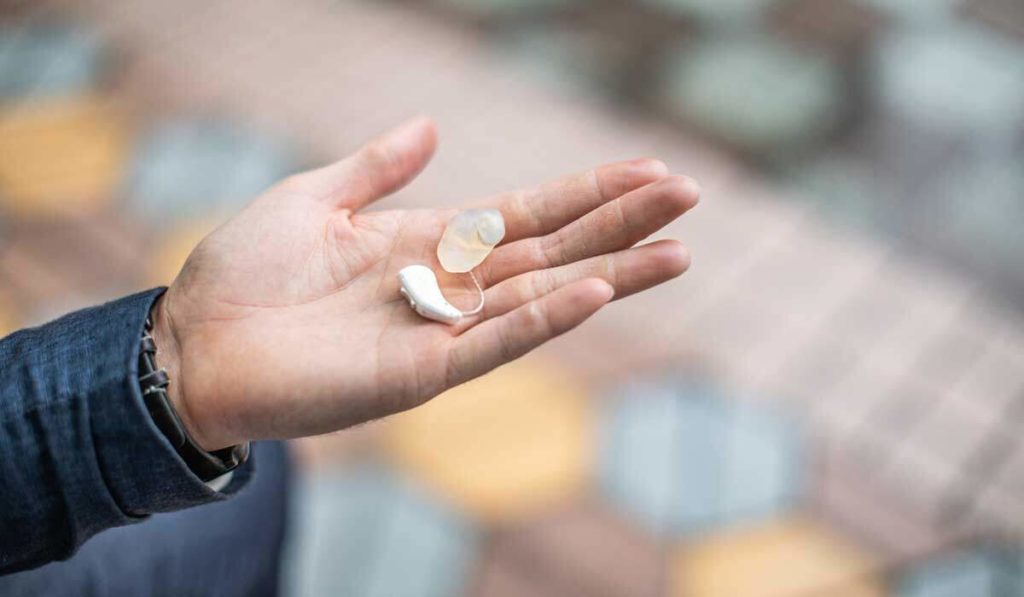
Hearing aids are true marvels of technology: These tiny mini-computers, which are worn discreetly behind the ear or in the ear, make life much easier for people with hearing loss. However, hearing aids are constantly exposed to wear and tear. They’re also susceptible to sweat, dirt, earwax, water, and bacteria. That’s why you should properly care for and clean your hearing aids—and not just when it’s time for your annual spring cleaning. This not only ensures optimal sound quality but also extends the lifespan of your hearing aid. At the same time, you’ll avoid unnecessary repairs.
How can I properly clean and care for my hearing aids?
Everyday dirt and grime are completely normal and can’t be avoided. Here’s how to clean and care for your hearing aids properly:
- Use a soft surface when cleaning and when putting in or taking out your hearing aids. If your hearing aid ever slips out of your hands, it will land softly and hopefully won’t be damaged. It’s best to use a solid-colored surface so you can spot the small parts more easily.
- Always make sure your hands are clean and dry.
- Check your hearing aids daily for visible dirt and wipe them down with a soft, slightly damp cloth.
- Be sure not to forget the detachable parts of your hearing aids when cleaning and drying them.
- You can dry your hearing aids perfectly using special drying systems. These remove moisture from your hearing aids and prevent electronic damage. A space heater or hair dryer is not suitable for drying, as they generate too much heat.
- Use only a very small amount of water and avoid alcohol or other harsh cleaning agents, as these could damage the electronic components of your hearing aid.
- Use an antibacterial cleaning spray to thoroughly disinfect your hearing aid.
- Place the sound tube and earpieces in a cleaning cup together with a special tablet on a regular basis. Thanks to the active oxygen it contains, these parts will be thoroughly cleaned.
- Do not use sharp objects such as needles for cleaning; use only special cleaning brushes.
- In addition, ultrasonic cleaning devices are also available. They clean the sound tube and earpieces of the hearing aid even more thoroughly than any other method.
By the way, you can also use these devices to remove unwanted deposits from eyeglasses, dentures, or jewelry.
If you wear in-the-ear hearing aids, it is strongly recommended that you consult your hearing care professional about cleaning products and methods, as these devices are particularly sensitive.
Why Do Hearing Aids Get Dirty?
Whether it’s house dust, sprays, creams, sweat, or even earwax and bacteria—all of these substances almost inevitably build up on your hearing aids and cause them to get dirty. Not only do these contaminants look unsightly, but they can also clog your ear molds and block the micro-inlets near your ear. This, in turn, impairs the functionality of your hearing aids. That’s why it’s essential that you clean and care for your hearing aids properly—every day.
How can I protect my hearing aids from dirt?
Even though normal dirt and grime can’t be completely prevented and it’s essential to clean and care for your hearing aids properly, you should always handle your hearing aids with care. Even though most hearing aids today are water-resistant, it’s still recommended that you remove them before showering, bathing, swimming, blow-drying your hair, or applying makeup.
For this reason, you should also avoid storing your hearing aids in a damp bathroom. Also, make sure not to store your hearing aids in places that are too warm or expose them to direct sunlight. A special case, stored in a small cabinet, will keep your hearing aids well-protected and safe. This also prevents household dust from settling on them.
However, properly cleaning and caring for your hearing aids alone is not enough. You should also always make sure your ears are completely dry and clean before inserting your hearing aids.
When used properly, hearing aids are durable and reliable aids for everyday life that last for years. However, daily use does take its toll over time. Here’s what you can do if your hearing aid breaks.