
How Your Hearing Aid Becomes the Perfect Companion in Everyday Life
Hearing aids should fit like a second skin in everyday life. We'll show you how your hearing aid can become a hassle-free and perfect companion in your daily life.
Hearing aids are technological marvels with an important purpose: they help people with hearing loss hear better by compensating for the loss of their highly complex sense of hearing. To ensure that hearing aids become the perfect companion in everyday life, hearing care professionals customize them to each person’s hearing, daily needs, and personal requirements.
New Hearing Aids: No Need to Worry
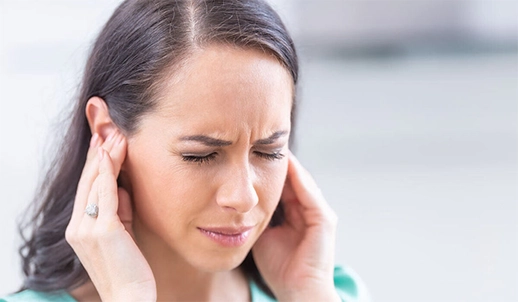
Despite this individual customization, it can sometimes feel unusual for people with hearing loss to wear hearing aids, especially in the early stages. Suddenly, there’s a flood of sounds that people with hearing loss begin to perceive more clearly again in everyday life thanks to their hearing aids—such as the rustling of a newspaper or the ticking of a clock. The surroundings—and even one’s own voice—can seem unpleasant and loud. At first, this can overwhelm the ears and the brain, leading to headaches or exhaustion. However, it’s important to wear hearing aids all day long, not just for specific daily activities like grocery shopping or meeting friends for coffee. Only then can our brain and our sense of hearing get used to this new assistance.
How do I get used to hearing aids?
The good news: Getting used to them properly is the key to wearing hearing aids comfortably. To do this, people with hearing loss should make sure to wear their hearing aids regularly as part of their daily routine. This helps the brain reacquaint itself with auditory stimuli and process them. Daily routines are important: It’s best to put in your hearing aid first thing in the morning after you wake up. This also gives your brain a brief adjustment period each time. Give yourself time to get used to your new hearing aid: Be patient so that your ears and brain can adapt to the new circumstances and process the sounds you’ve rediscovered.
Issues that may arise when wearing hearing aids:
-
Dizziness and Balance Problems
People with sensorineural hearing loss often struggle with dizziness or balance issues. This type of hearing loss affects the inner ear, which is responsible not only for hearing but also for the sense of balance. Hearing aids improve sound perception and can help improve balance. Getting used to new hearing aids can initially lead to sensory overload, which in turn can cause additional stress. This may result in dizziness and balance problems. If these symptoms persist, you should consult an ENT doctor or hearing aid specialist.
-
Ear Pain or Itching
Ear pain can have many causes. In addition to infections, injuries, or blows to the outer ear, it can also be triggered by wearing hearing aids. Their constant contact with the skin promotes moisture buildup in the ear. The softened skin can itch and become inflamed more easily. It is therefore important to remove your hearing aid at night and let your ear dry thoroughly. To keep bacteria and pathogens out of the ear canal, hearing aids should be cleaned daily.
-
Hearing Aid Presses Against or Inside the Ear
If the ear molds of your hearing aids do not fit properly or if the sound tubes have hardened, this can lead to pressure points on or in the ear, depending on the type of hearing aid. In this case, be sure to visit your hearing care professional, who will adjust the ear molds. Regardless of this, you should have the fit of your hearing aids checked there regularly. The hearing care professional will also inspect the sound tubes and ear molds and can adjust them if necessary or, in the case of the sound tubes, replace them.
-
Skin Irritations
Hearing aids and ear molds may be made of materials to which a user may, in rare cases, have an allergic reaction. However, especially with ear molds—which sit directly in the ear and are custom-made—there are many different
materials, such as titanium. Your hearing care professional will work with you to find the right material. The skin can also become slightly irritated by friction if hearing aids do not fit properly. With well-fitted hearing aids, this happens very rarely. Soap residue or creams on the ear can also cause skin irritation when wearing hearing aids. Anyone prone to allergies or sensitive skin should mention this during the hearing consultation. This allows hearing care professionals to select the right material and minimize the likelihood of an allergic reaction.
-
Poor Speech Comprehension Despite a Hearing Aid
Hearing aids compensate for hearing loss. However, they cannot cure it. If speech comprehension worsens despite wearing a hearing aid, this may be due, for example, to age-related hearing loss. In that case, you should have this checked by an ENT doctor or hearing aid specialist. This way, your hearing aids can be readjusted to accommodate your declining hearing. If necessary, you may need to try other, more powerful models. Sometimes, however, poor speech comprehension is caused by ill-fitting ear molds, damaged connecting tubes, or clogged sound outlets. That’s why it’s important to clean your hearing aids daily and have them checked regularly by a hearing care professional. If hearing aids can no longer compensate for hearing loss and have reached their limits, implantable hearing solutions—such as cochlear implants—may also help. Seek advice on this decision from a hearing care professional who also works with people who have cochlear implants, as well as from nearby ENT clinics.
Unwanted Noises with Hearing Aids—and How to Get Rid of Them
A hissing sound can occur primarily due to technical defects in the hearing aid’s amplifier, or it may be caused by the sound transducers, microphone, or receiver.
If your hearing aid hums or crackles, it’s usually due to either a defect in the amplifier or a dead battery.
If the hearing care professional cannot resolve the cause of the noises in the hearing aid, it’s important to consider that the noises may actually be coming from inside the ear itself—a condition known as tinnitus. In that case, you should see an ENT specialist within 24 hours of the first occurrence. The earlier the treatment, the greater the chance of success.
You can also ask your hearing care professional for help in becoming more familiar with how to use your hearing aids. Or schedule an appointment for hearing training. You can find hearing care professionals near you using our hearing care professional search tool. Learn more about the technical features of today’s hearing aids on the World Hearing Day website.

Hearing Aids—Getting Used to Them Is Worth It
Unfortunately, hearing aids don’t work like a pair of glasses, which let you see perfectly right after you put them on. However, an audiologist can help you with that.



