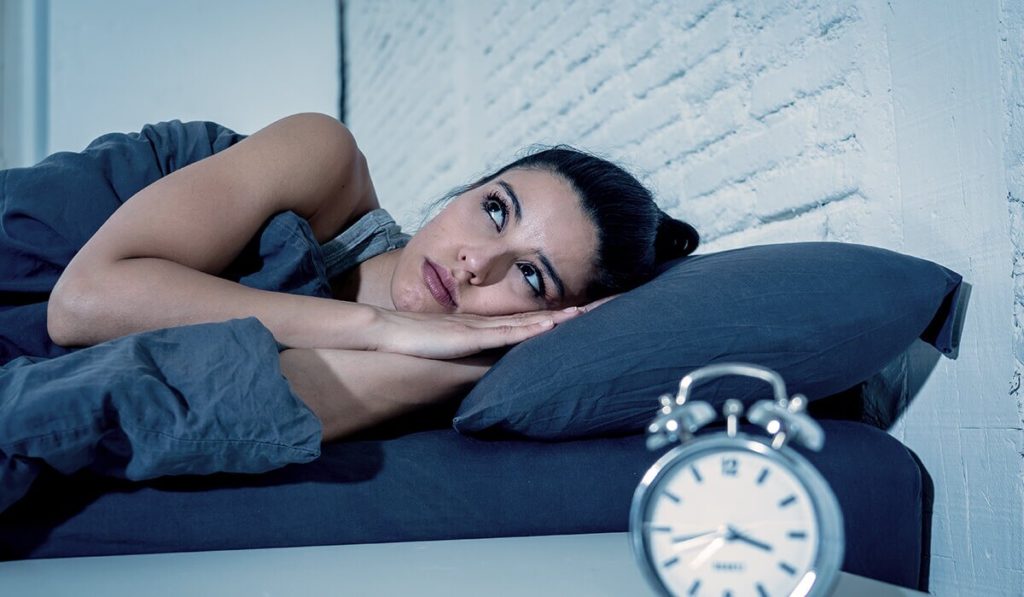
Listening While You Sleep—It's All About the Sound
As our most sensitive sensory organ, we hear while we sleep, and theearnever sleeps. While we lie motionless in bed with our eyes closed, our brain continues to work actively so that we can react, for example, to threatening situations. However, to prevent us from waking up at every little noise, our brain filters out the sounds that are most likely to wake us up.
How does background noise affect our dreams?
Dreams are a relatively unexplored state of mind. What we experience in a dream seems clear and real to us, as if we were right there in the moment. Some people can even actively control and shape their dreams. We often forget our dreams the next day, and sometimes a dream stays with us throughout the entire day.
It’s unclear to what extent we should attach meaning to our dreams. So far, scientists assume that through our dreams we consolidate memories, process experiences, and ultimately maintain our emotional balance.
Have you ever dreamed, just before waking up, that you were surrounded by the sound of sirens? At first, you probably thought that was the reason you woke up—but usually, it’s just the alarm clock. Stimuli and ambient noises can influence our dreams and even creep into the dream narrative. However, it’s said that real-world background noises shouldn’t be too low or too high in pitch. Sounds that are too low are easily overlooked, while high-pitched sounds wake us up more quickly.
It’s important to note that our brain filters received sounds into important and unimportant information. Studies have shown that although we may appear unresponsive while asleep, our brain continues to scan for relevant stimuli.
Harmonious Sounds vs. Loud Alarms—Which Alarm Sounds Help Us Start the Day Better?
We all know that unpleasant feeling when the alarm clock robs us of our sleep and forces us out of our warm beds. This is often followed by morning fatigue and lethargy, which can sometimes linger for hours.
When it comes to choosing the right alarm tone, opinions are often divided. That’s because everyone perceives noise, sounds, and music very differently. What bothers one person may please another. While many people today use their smartphones as alarm clocks, some remain loyal to the traditional alarm clock. However, many people have also switched to digital alarm clocks and wake up to their radio.
But no matter which alarm clock you use, the alarm sound itself is crucial!
In fact, it’s believed that alarm sounds influence how we feel when we wake up and our subsequent fatigue. A loud, shrill beep, for example, tends to be perceived as disruptive: It startles us and rudely rouses us from sleep.
In contrast, melodic sounds are said to help facilitate the transition from sleep to wakefulness. As a result, it’s said that we struggle less with fatigue.
Another tip is to set your current favorite song as your alarm tone, so that your mood improves right after getting up and you can start the day feeling good.
Here, too, you should make sure the song doesn’t start with shrill notes right away, so you can be gently and harmoniously roused from sleep.
What kinds of sounds wake us up?
Our sleep is determined by different sleep stages. Depending on the sleep stage, environmental noises and stimuli can wake us up more easily than others. During the falling-asleep stage, for example, we are most sensitive to sounds and therefore wake up more easily.
Touch, pain, heat, cold, or smells generally do not wake us up at first and are even integrated into our dreams while we sleep. However, if these stimuli are strong enough and occur during the right sleep phase, they can ultimately wake us up.
When it comes to sounds, it’s not always the noise level—or, more precisely, our arousal threshold—that directly determines whether we wake up or not. Rather, we can speak of a protective mechanism that responds to slightly unusual stimuli. It interprets the sound and evaluates it. However, this varies greatly from person to person. Many people find their sleep disturbed by a partner who snores loudly. Some turn to earplugs to minimize the volume of the snoring or, in the worst case, resort to sleeping in separate bedrooms. For some people, snoring may not be perceived as directly disruptive, and they are able to maintain their sleep.
Other sounds, however, can be alarming, no matter how loud they seem. Parents hear their children very quickly and are often awakened even while asleep by, for example, their child’s crying. This is especially true for mothers in the first weeks and months after birth, as they are usually the primary caregiver.* As a result, parents generally sleep more lightly and are disturbed much more quickly by their child’s noises. In this case, the brain classifies the information as important, which interrupts sleep.
Traffic signal systems promote safety
Incidentally, there are a wide range of solutions and accessories available for hearing aid users who are at risk of missing important signals while sleeping.
What about situations where hearing aids aren’t being worn—such as while sleeping? How can we ensure that signals typically conveyed acoustically—such as the doorbell, the alarm clock, or the fire alarm—aren’t literally missed when hearing aids aren’t in the ears? This is where light signaling systems provide additional safety.
Modern light signal systems operate as radio-based transmitter-receiver systems. They generally require at least one transmitter and one receiver. Various events—such as doorbells, ringing phones, fire alarms, or even baby monitors—are detected by the respective transmitters. The receivers amplify this important information through vibration, flashing lights, and/or additional audio signals.
With a portable light signaling system, people with hearing loss—as well as those with normal hearing—can, for example, hear the mail carrier ringing the doorbell while in the garden—even from a considerable distance.
If you suffer from hearing loss or suspect you may have it, we recommend that you schedule a free hearing test with a hearing care professional near you.



