A chance discovery yields surprising insights
Researchers discovered something unexpected: In cases of untreated hearing loss, the way our brain processes sounds changes sooner than expected.
It has already been well documented that untreated hearing loss increases the risk of developing dementia. Now, a study from Ohio State University has brought entirely new findings to light. Originally, the researchers wanted to compare how sentence structures of varying complexity affect brain activity. Since some young adults in the test group had mild hearing loss, the researchers observed a surprising difference in these participants during the study.
Hearing loss affects brain activity even at a young age
Among their peers without hearing loss, only the left hemisphere of the brain was active during the tests—which is typical for language processing. In contrast, both hemispheres of the brain were active in study participants with mild hearing loss. Despite the mild impairment and their young age, the brain is already compensating using the right frontal cortex—a process normally seen only in older adults.
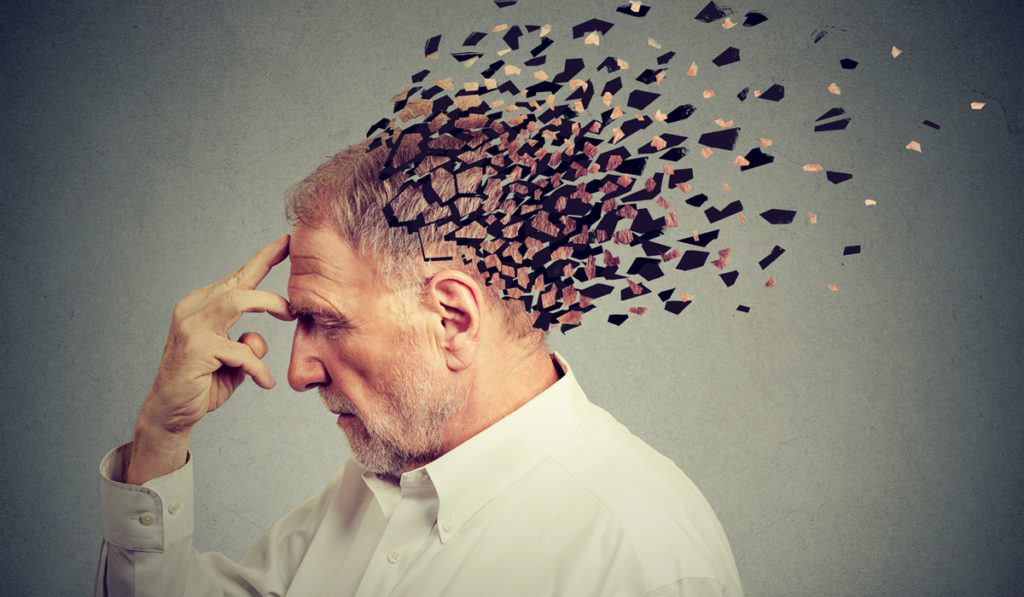
Previous studies have shown that people with mild hearing loss are twice as likely to develop dementia as the general population. The findings from Ohio State University now clearly demonstrate just how unexpectedly early these effects on the brain begin. This makes it all the more important to take action early.
Minimize the Risk
Even mild hearing loss—if left untreated—can have a significant impact on our brain very early on. Therefore, it’s important at any age: If you’re having trouble hearing or notice that your hearing is declining, you should have your hearing tested as soon as possible.
This allows for the early diagnosis of potential hearing loss and the start of treatment. The sooner this happens, the more it reduces the risk that your brain will adapt to the hearing loss. At the same time, it also minimizes the risk of suffering from long-term consequences as you age. If necessary, a hearing aid will be fitted for you. Your trusted ENT doctor or hearing care professional can provide you with the best advice on this matter.
In our overview of dementia and hearing loss, you can learn more about this topic.



