Good Hearing Saves Lives
Horns, bells, electric cars: People with hearing loss often notice critical signals too late—or not at all. On Road Safety Day, we explain why good hearing is just as important as good vision when it comes to road safety—and how hearing aids can help ensure greater safety.
Whether by car, bicycle, motorcycle, e-bike, or on foot—people with good hearing are safer on the road. On the occasion of National Traffic Safety Day, the German Hearing Aid Industry Association (BVHI) is drawing attention to a risk that has been completely underestimated in road traffic to date: untreated hearing loss.
In Honor of Road Safety Day: Keep Your Ears Open for Greater Safety on the Road
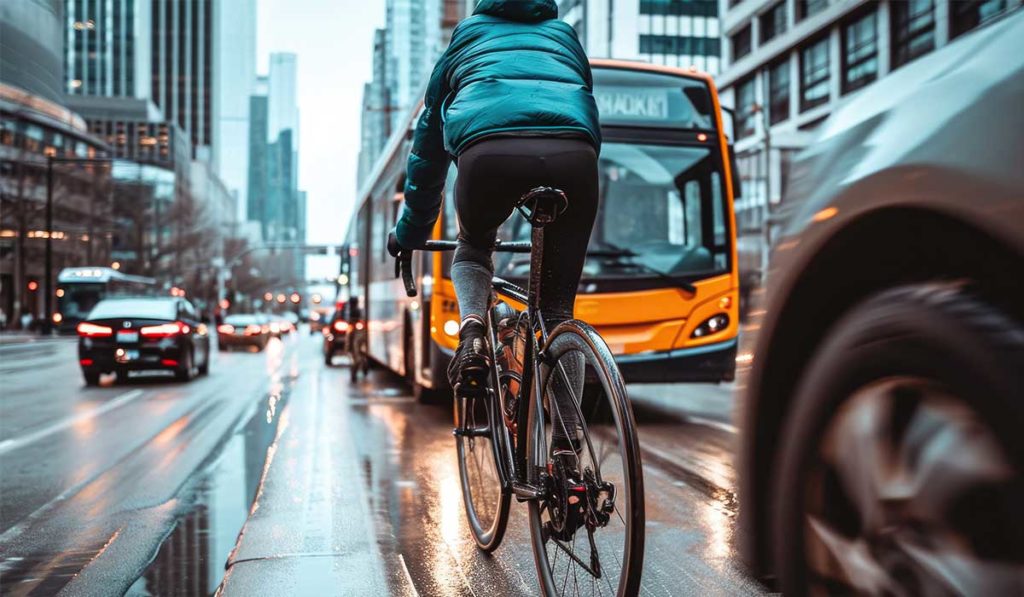
When we’re out on the road, our senses are constantly on alert. We rely on both visual and auditory cues—such as the sound of an approaching vehicle’s engine, the ringing of a bicycle bell, or warning signals like sirens and car horns. Anyone who fails to hear or recognize one of these signals in time can find themselves in a dangerous situation. This applies not only to drivers, but also to cyclists, e-bike riders, and pedestrians.
Especially these days—with quieter electric vehicles, more bicycle traffic, denser urban traffic, and greater differences in speed among road users—good directional hearing and quick reactions are more important than ever.
In an aging society, good hearing is essential for safe mobility. Anyone who fails to hear acoustic warning signals—such as car horns, doorbells, or approaching vehicles—in time puts themselves and other road users at increased risk.
Stay Safe and Roadworthy with Modern Hearing Aids
On Road Safety Day, it’s worth taking a look at the latest statistics: The role of hearing in traffic is often underestimated—yet people who wear hearing aids have been shown to feel safer. The EuroTrak Hearing Study 2025, one of the largest representative surveys on hearing health in Europe, yields clear results:
- 73% of hearing aid users say they feel safer while driving since they started wearing hearing aids.
- 75% of hearing aid users feel safer riding a bicycle or e-bike since they started wearing hearing aids.
- 75% of hearing aid users generally feel safer in urban environments since they started wearing hearing aids.
These figures demonstrate just how much better hearing helps people with hearing loss feel safer—and thus leads to greater independence and a better quality of life in their daily lives.
Noise stress? No, thanks!
People with hearing loss have to constantly exert more effort in their daily lives: making sense of conversations, interpreting traffic noises, and picking up on warning calls. This constant strain can lead to cognitive fatigue, uncertainty, and ultimately an increased risk of accidents—especially on long drives or in congested city traffic.
Hearing aids reduce the strain on the brain through clear, targeted sound processing—this lowers what is known as “hearing stress,” improves the ability to concentrate, and reduces the risk of falls.
Five facts about why good hearing is crucial when driving:
- Improved directional hearing: You can more quickly determine the direction from which a vehicle or bicycle is approaching.
- Faster response to warning signals: Horns, bike bells, and sirens are heard sooner, allowing road users to react promptly.
- Reduced auditory stress = greater concentration: Hearing aids take the strain off the brain—especially in noisy environments. People with hearing loss don’t have to concentrate intensely on hearing and understanding; instead, they can relax and take in all conversations and background noise with their hearing solutions, and adjust their hearing aids as needed for specific listening situations. Modern hearing aids use AI to learn and automatically apply the necessary settings the next time a familiar situation arises.
- Greater safety through technology: According to the EuroTrak Hearing Study 2025, 75% of hearing aid users feel safer in traffic since they started wearing hearing aids.
- Reduced risk of falls: Studies show that people who hear better are more stable when out and about—both physically and mentally.
Demographic Change Brings New Challenges
Germany is aging—as all population projections show. What’s more, more and more people are remaining mobile, active, and independent well into old age. This also means an increase in the number of older road users, who should be given special consideration, especially on Road Safety Day. Preventive measures such as regular hearing tests are effective for them: they help identify risks early on—and increase safety for everyone.
Our advice for Road Safety Day:
Have your hearing checked regularly—don’t wait until you’ve been experiencing hearing loss for several years. Modern hearing aids are small, powerful, and customizable. A simple hearing test at a hearing care professional or ENT specialist near you takes only a few minutes—and can be a crucial step toward ensuring your safety in daily life and on the road. Find a hearing care professional here.



